White vs yellow vs rose gold: the same ring in all three
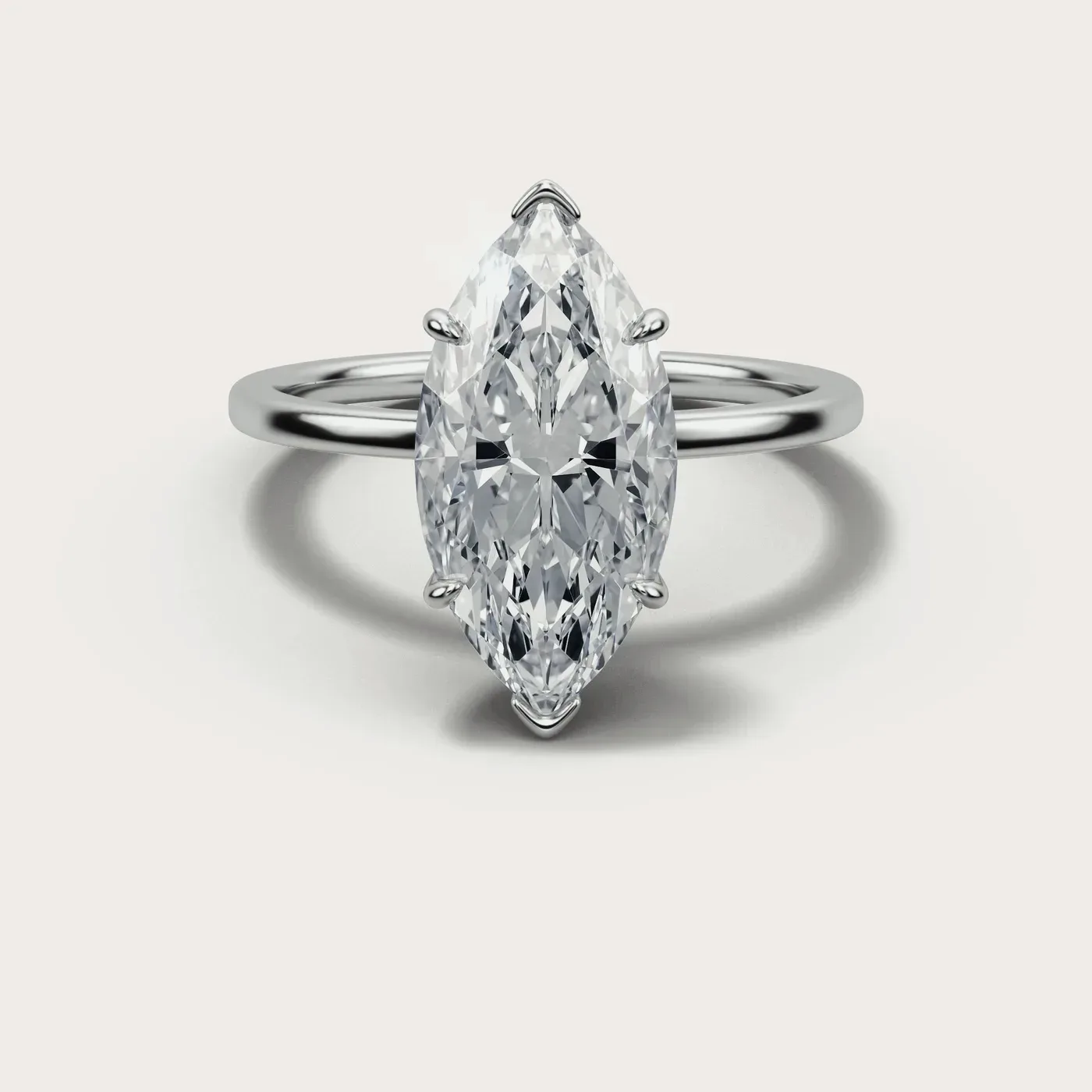
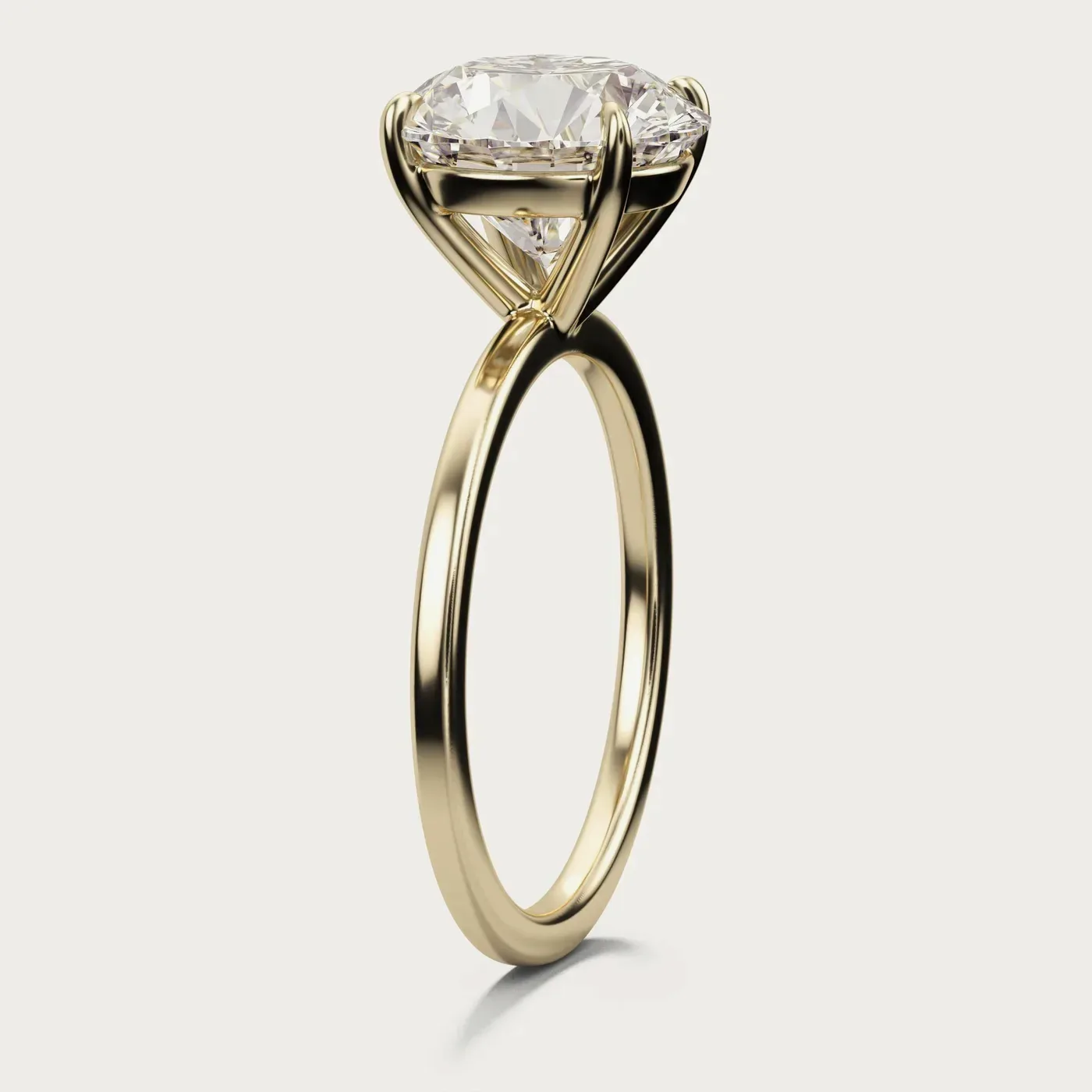
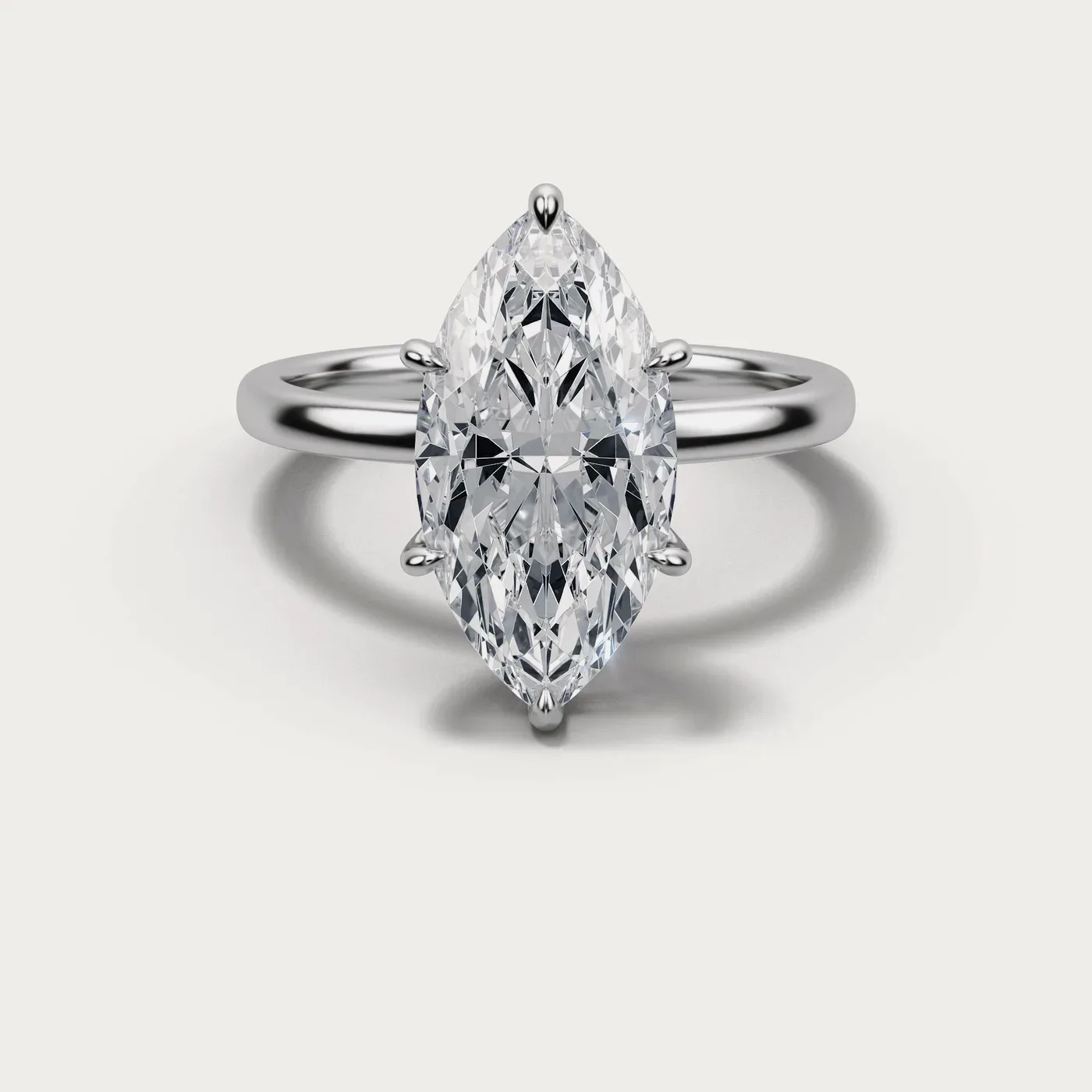
The choice is usually made from three photographs of three different rings. Here are three rings each shown in all three golds, lit identically.
AurumFlow
September 10, 2026 · 6 min read
Almost nobody chooses a metal by comparing metals. They look at a white gold ring on one website, a yellow one on another and a rose one on a third, photographed by three different people under three different lights against three different backgrounds, and form an impression that is at least as much about the photography as about the gold. Then the piece arrives and it is not quite the color they had in mind.
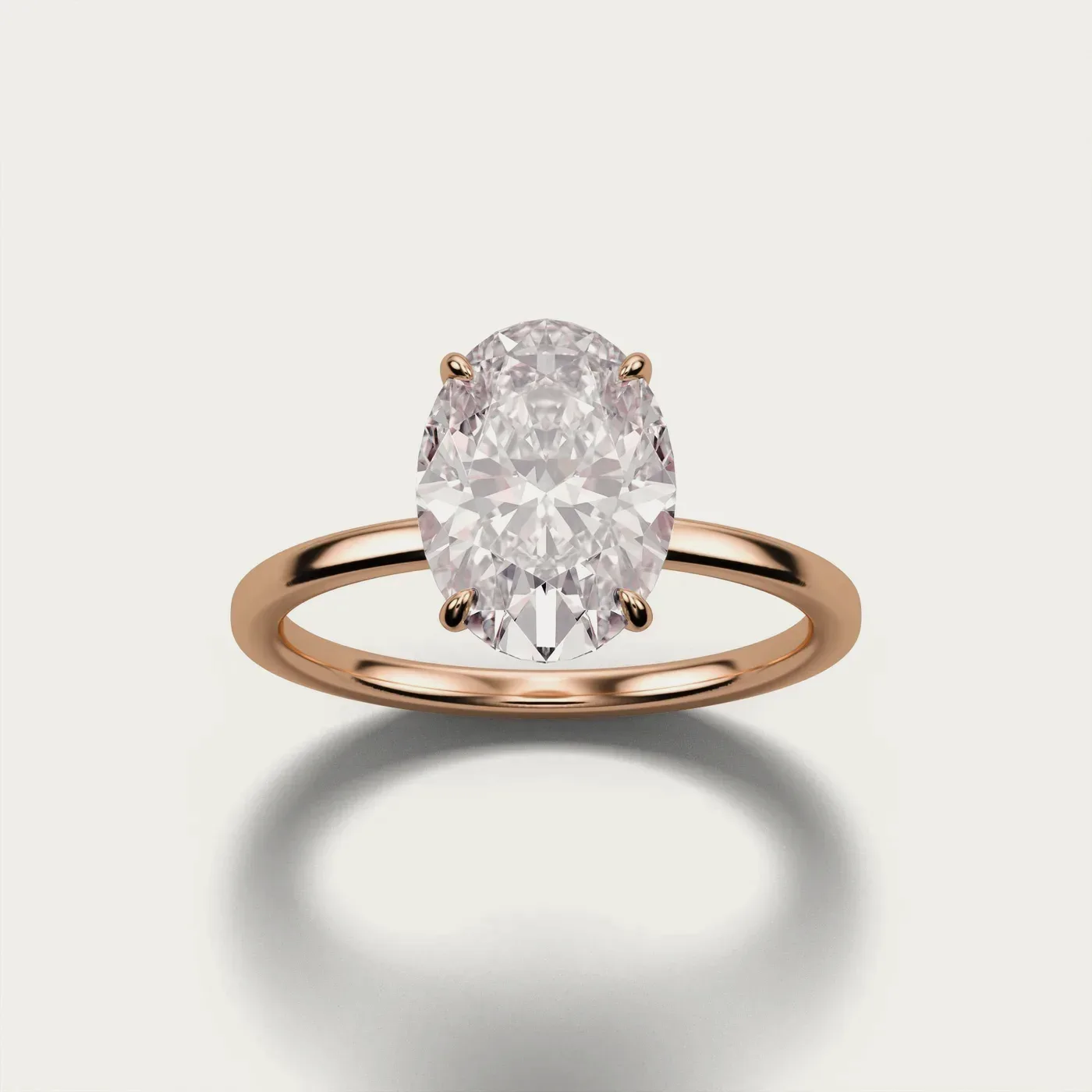
The comparison below holds everything still. Three of our own designs, each rendered in all three golds from the same camera, in the same light, against the same wall. Read across a row and the only thing changing is the alloy.
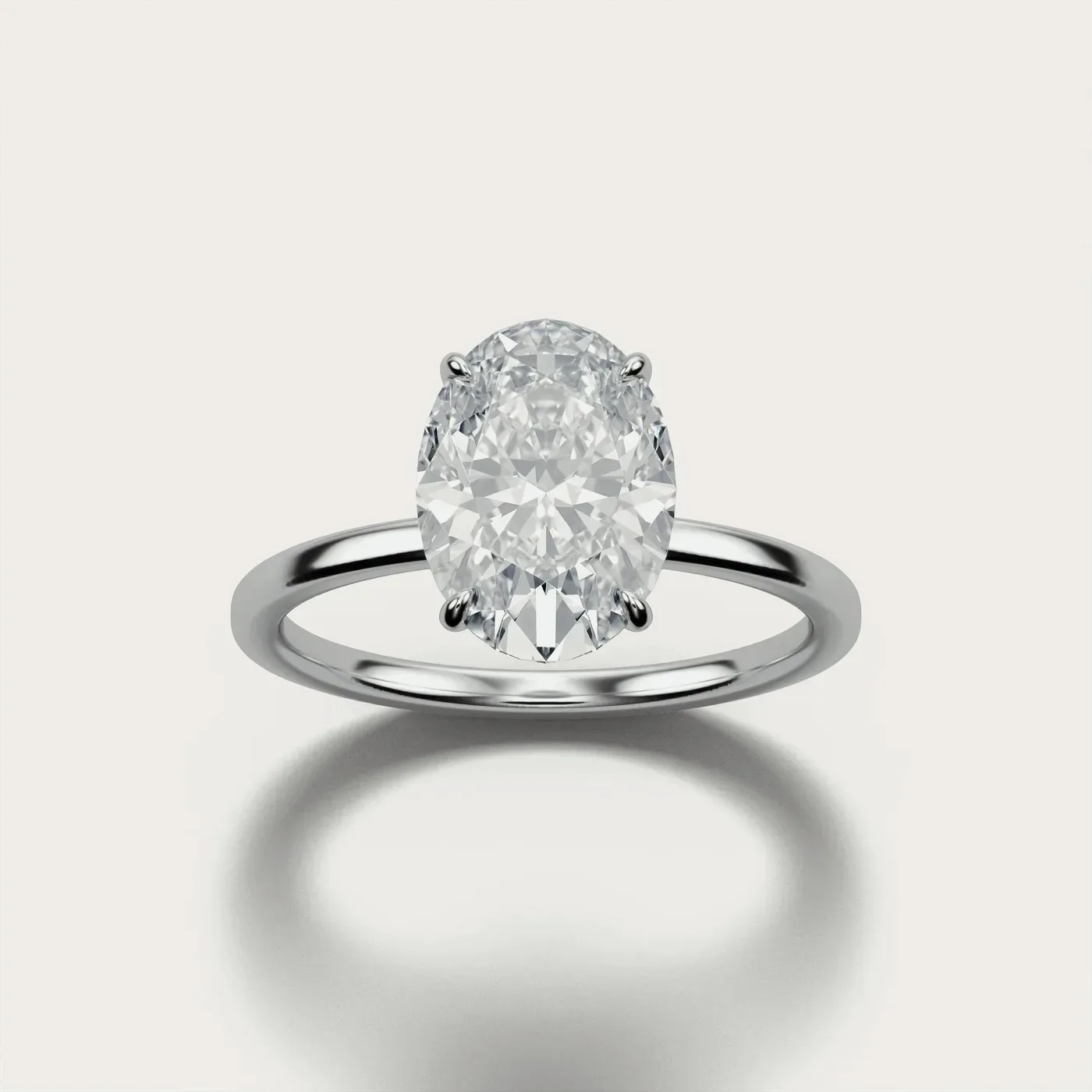
White gold
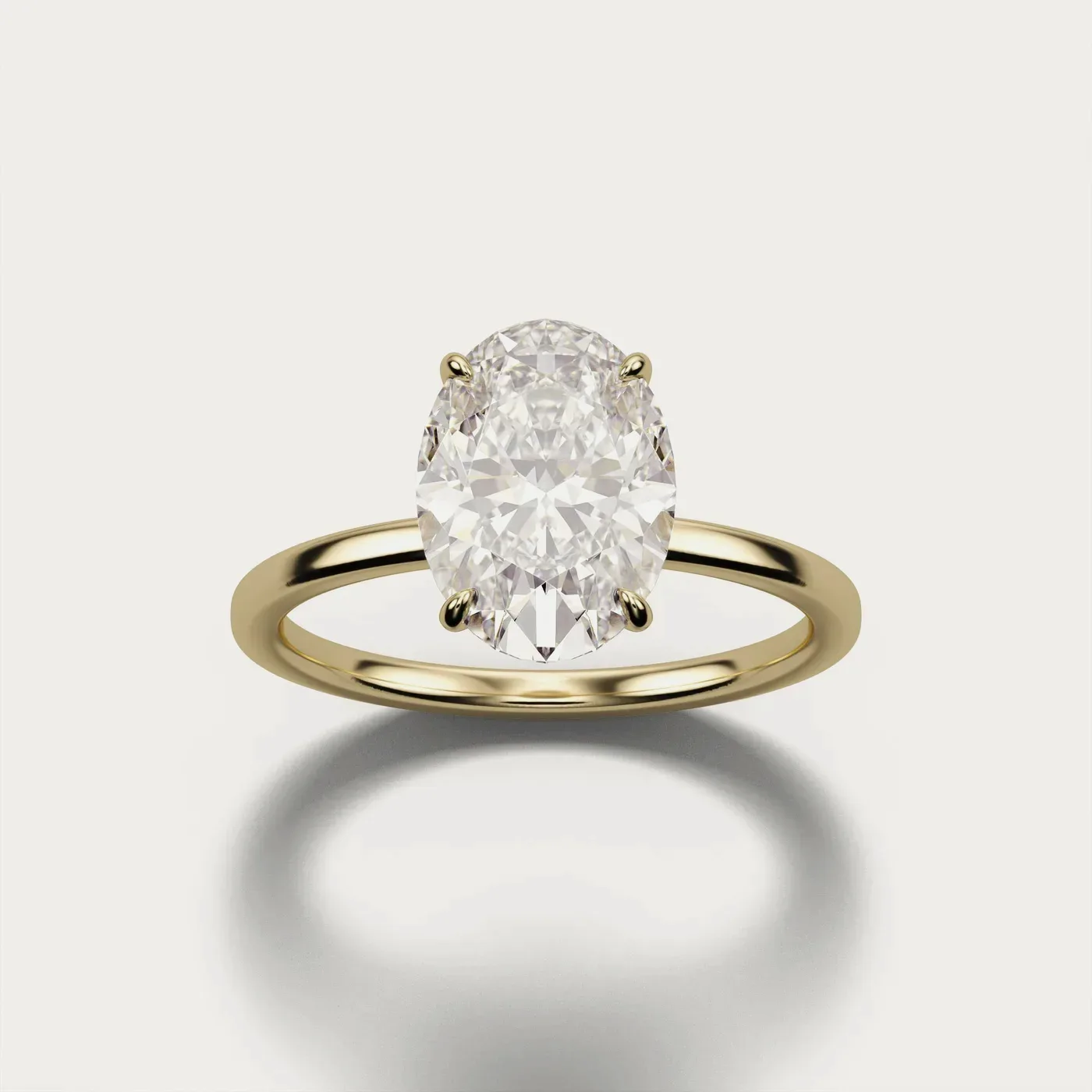
Yellow gold
Rose gold
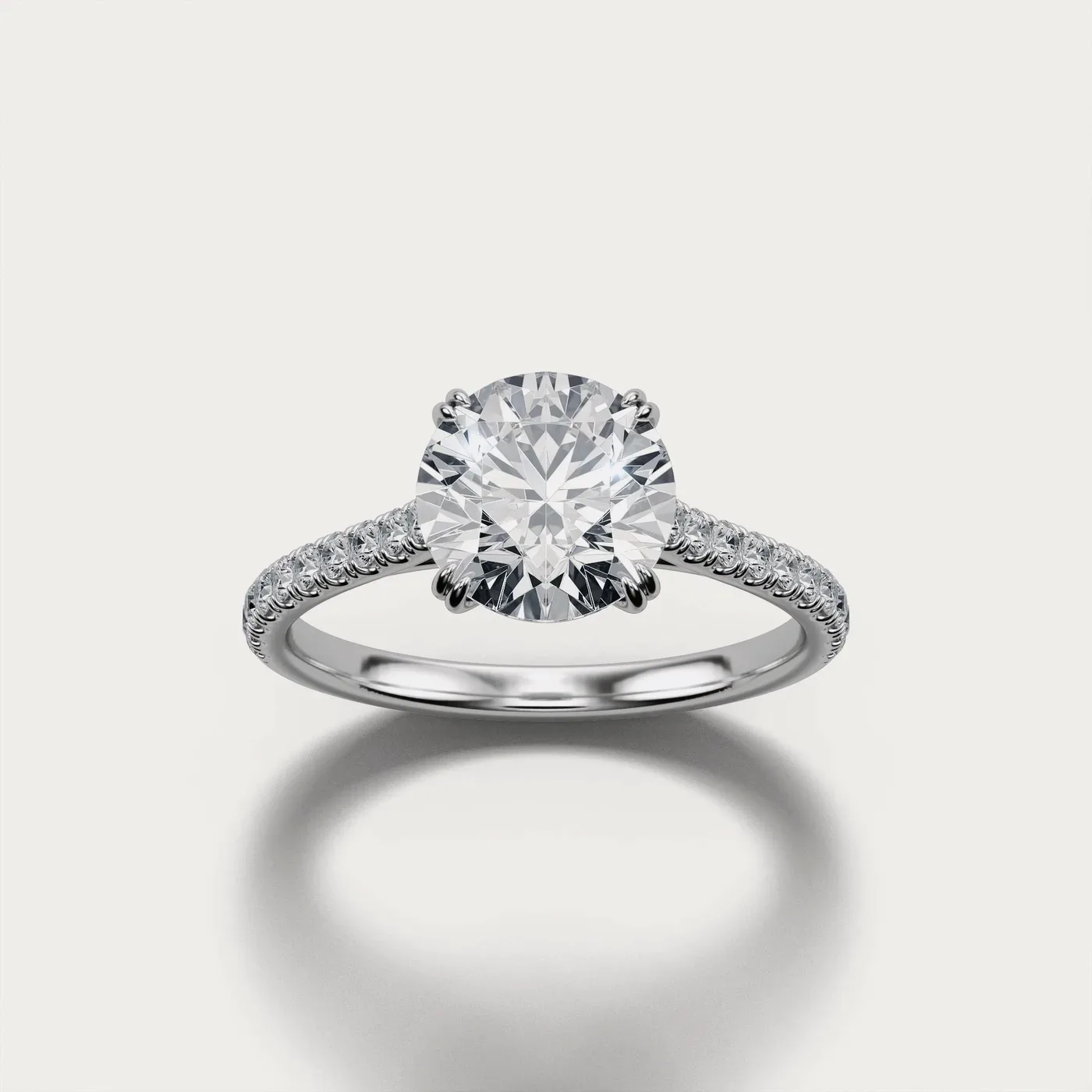
White gold
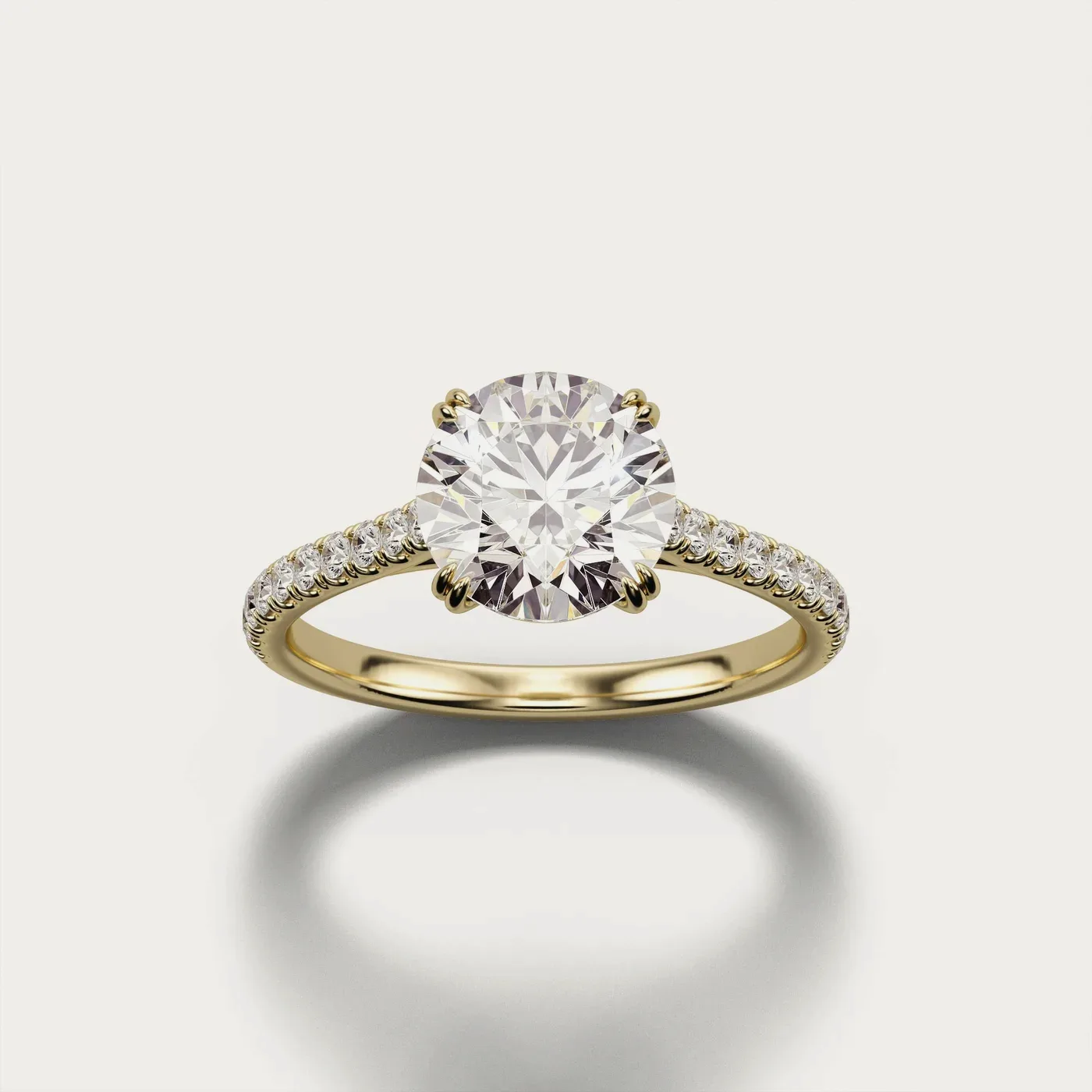
Yellow gold
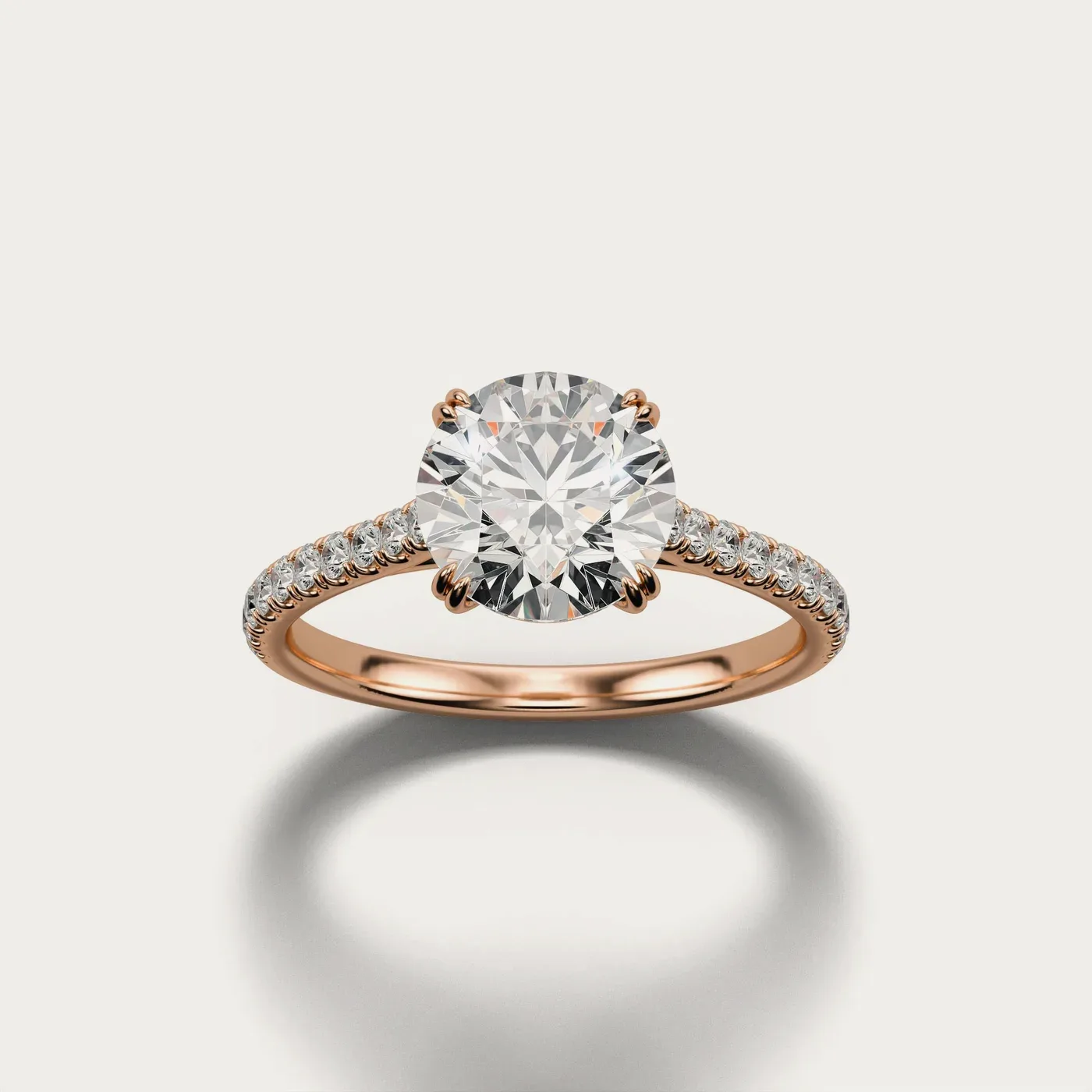
Rose gold
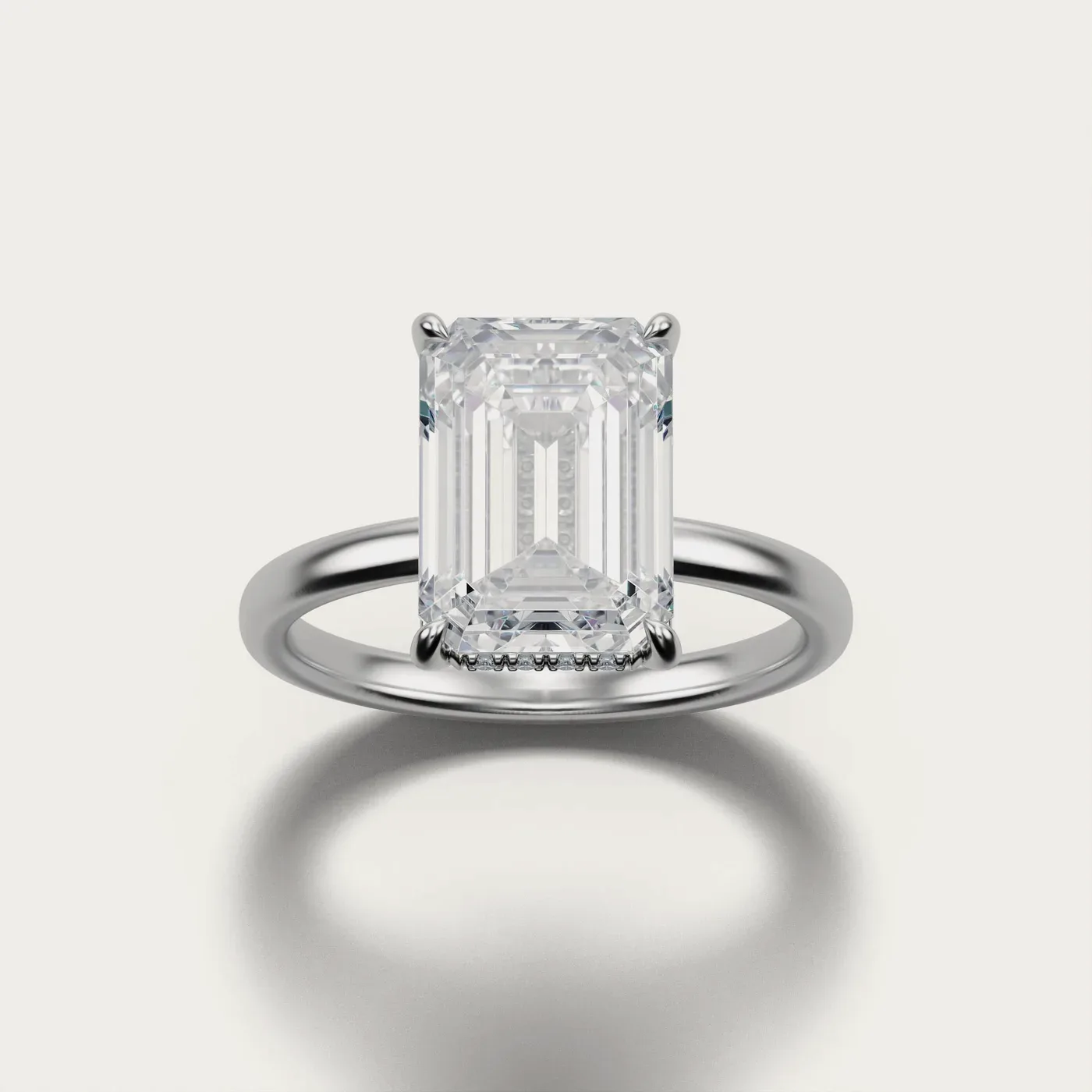
White gold
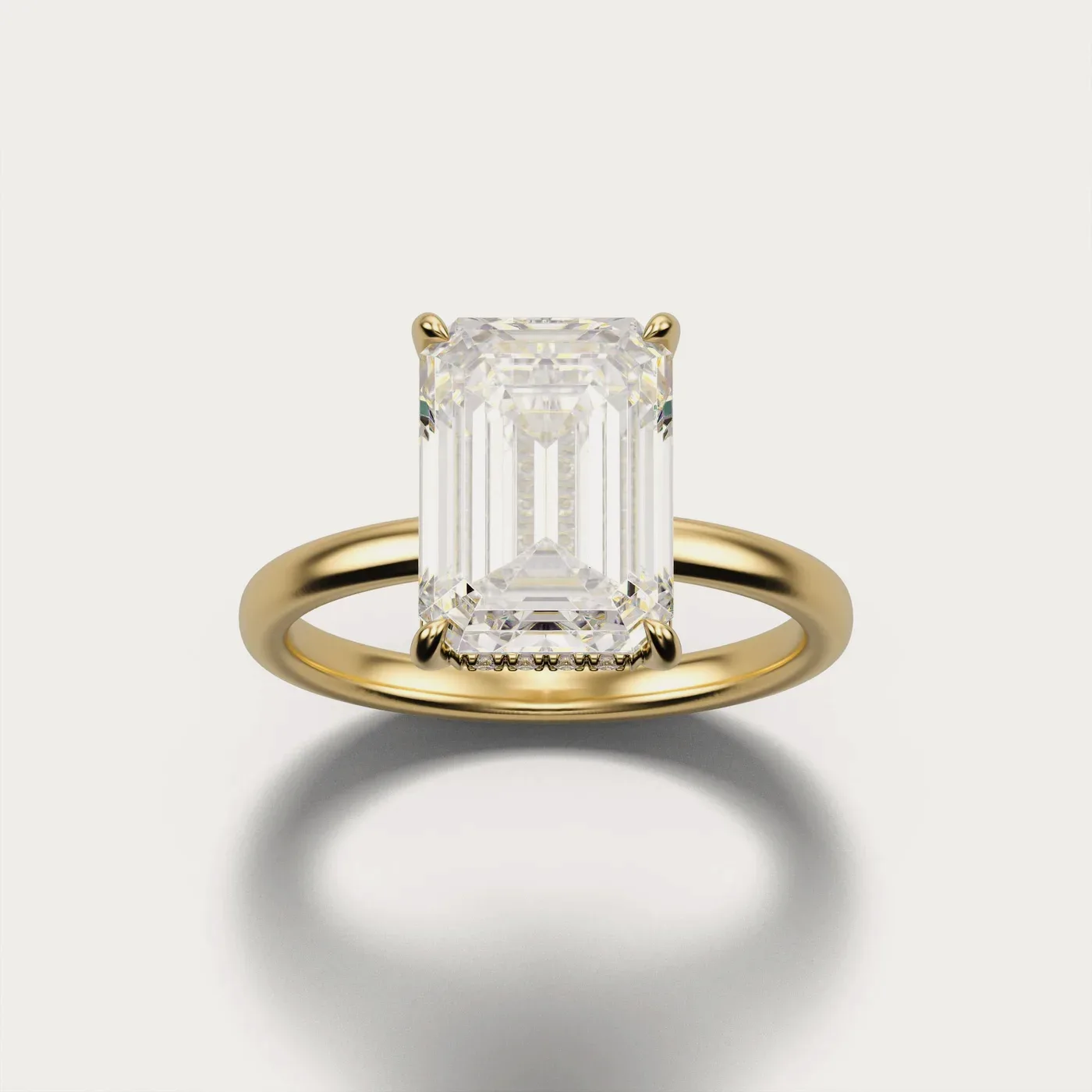
Yellow gold
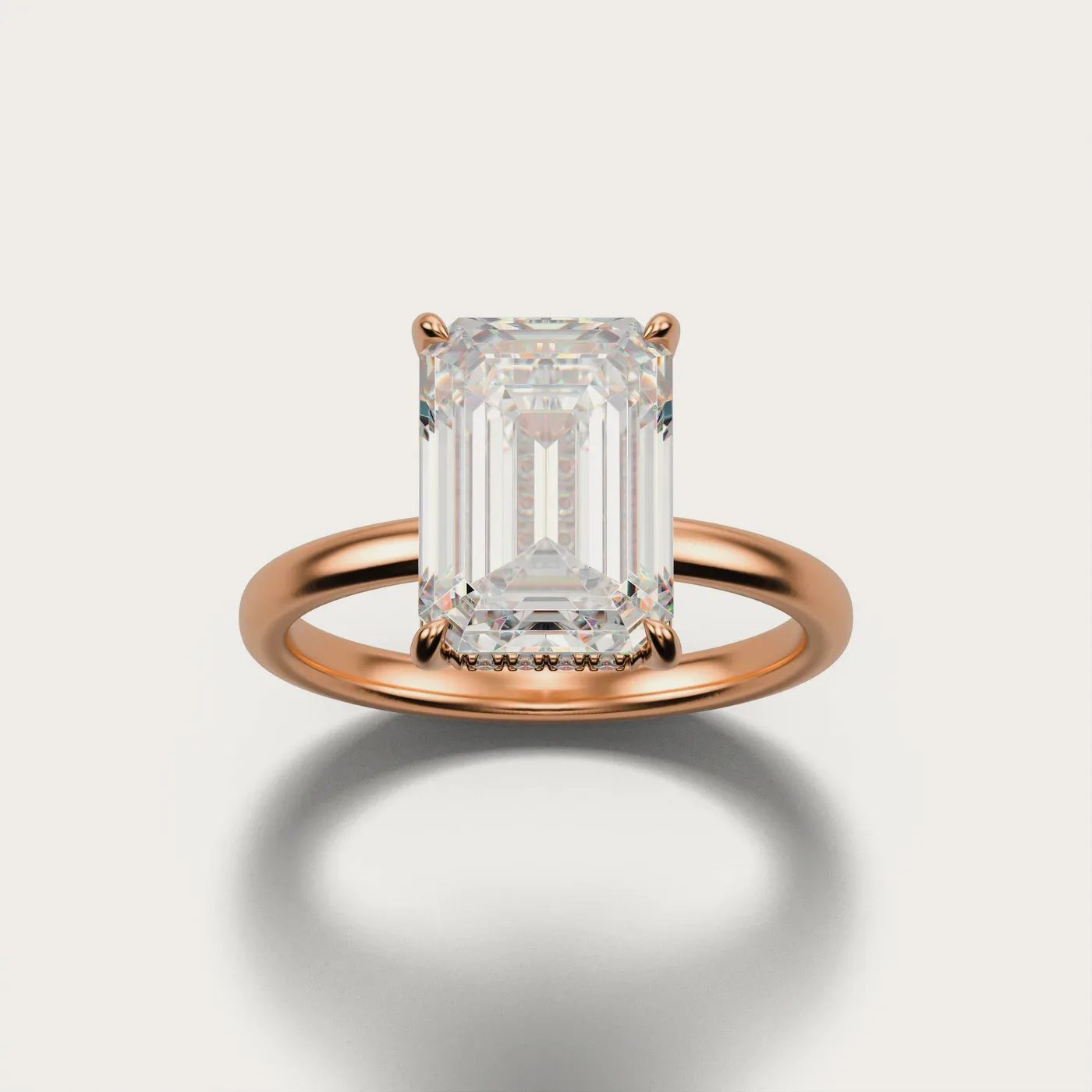
Rose gold
What the three actually are
All three are gold with something added, and the karat tells you how much gold: 14K is 58.5 percent gold by weight, 18K is 75 percent. The remainder is what makes the color.
Yellow gold is alloyed mostly with silver and copper in roughly equal parts, which keeps it near the color of pure gold. Rose gold takes the same recipe and pushes the copper up — more copper, redder metal, and the difference between a warm blush and an unmistakable pink is a few percent. White gold is gold alloyed with white metals, palladium or nickel with silver, and here is the part most people do not know.
White gold is a finish, not a color
White gold alloy is not white. It is a pale, faintly warm gray — closer to old silver with a hint of straw than to the bright cold white on a jeweler’s website. What produces that white is rhodium: a thin plating applied over the finished piece, harder and brighter than the metal underneath.
Plating wears. On a ring worn every day it thins first where the hand touches things — the underside of the shank, the edges of the shoulders — and the warm alloy begins to show through, usually as an uneven patch rather than an even fade, which is why it tends to be noticed all at once about eighteen months in. Replating is routine, inexpensive and takes a day, and over a lifetime a white gold ring will have it done many times.
This is not a reason to avoid white gold — it is the most requested metal we set, by a wide margin. It is a reason to tell the client, at the counter, before they hear it from somebody else in two years and conclude they were sold something that was not explained.
One more thing worth asking about: the white metal in the alloy. Nickel white gold is cheaper and harder; palladium white gold costs more and is kinder to the skin. A meaningful minority of people react to nickel against the skin all day, and a ring is the one piece of jewelry that is never taken off.
Rose gold is copper, and copper behaves differently
Rose gold needs no plating — the color is the metal all the way through, so it cannot wear off and it never needs redoing. That alone makes it the lowest-maintenance of the three.
The copper also makes it harder than yellow gold of the same karat, which sounds like an unambiguous gain and is not. Harder metal resists scratches and holds a crisp edge; it is also less forgiving under the kind of repeated small stress a setter applies, so fine, highly-worked pieces in rose want a bench that has done them before. It is worth knowing that a micro-pavé shank in rose is a slightly different job from the same shank in yellow.
And rose reads differently against a diamond than people expect. A white stone in a warm setting looks whiter by contrast, which is a real and useful effect — but the metal around a pavé line is visible between the stones, and rose metal between white stones is a strong statement rather than a neutral one.
What yellow does to a stone
The most practical thing to know about yellow gold is that it is forgiving of color in the center stone. A diamond in the J to M range shows a warmth that is obvious in a white setting, where the eye has a cold reference right beside it, and much less obvious in a yellow one, where the warmth is simply part of the piece.
That is worth real money. Color grades are expensive and mostly invisible once a stone is set, and a client who is set on yellow gold can drop two or three grades on the center stone and put the difference into size or cut — which is the change they will actually see. The reverse is also true: if a stone is going into white metal, color matters more than the certificate makes it look.
Yellow is also the metal that changes most between karats. 18K yellow is visibly richer than 14K, because there is more gold in it; in white and rose the karat difference is far harder to see, since the color is coming from the alloy either way.
| Metal | What makes the color | Upkeep | Suits |
|---|---|---|---|
| White gold | White alloy plus rhodium plating | Replating every year or two on a ring worn daily | Cool stones, colorless grades, anything set in white |
| Yellow gold | Silver and copper, near the color of pure gold | None beyond polishing | Warmer stones, where it hides color worth paying for |
| Rose gold | More copper — the color goes all the way through | None; nothing to wear off | Plain and sculptural shanks; louder alongside white pavé |
| Platinum | Nothing added — the metal is white | Polishing, or leave the patina | Anybody who would rather not think about it again |
Why the same ring costs different amounts
The price of a piece is mostly the weight of the metal in it, and the same geometry does not weigh the same in every alloy. A cubic centimetre of 14K gold is around thirteen grams; 18K is closer to fifteen and a half; platinum is about twenty. So the identical ring is a materially different quantity of metal depending on what it is made from, and the gap between karats is larger than the gap between colors at the same karat.
The other multiplier is the spot price, which moves every morning and moves differently for gold and platinum — the two have swapped places more than once, and any article that prints today’s ratio is an article that will be wrong within the year. So there is no number in this paragraph. The calculator on our pricing page does the arithmetic against the day’s figure, which is the same arithmetic your order is quoted with.
Platinum, briefly, because it is always the next question
Platinum is genuinely white — no plating, nothing to redo — and it is the most secure metal to set in, which is why a great many high-value stones end up in platinum heads even on gold rings. It is also softer than 14K gold in an interesting way: it does not lose metal when it is scratched so much as move it, so a platinum ring develops a soft matte patina rather than wearing thin. Some people love that and some people have it polished off twice a year.
It is denser, so the same ring is heavier and feels it on the hand, and it takes longer at the bench. Whether that adds up to more or less than 18K gold on any given day is a question for the calculator rather than for an article.
Look at the ring, not at a swatch
The grid at the top is the point of this piece: metal is not a property you can judge in the abstract, because it interacts with the shape of the shank, the color of the stones and how much metal is visible between them. A rose gold plain band and a rose gold pavé band are two different decisions wearing one name.
Every design in our catalog is modeled once and then rendered in each metal it is offered in, from the same cameras under the same light, for exactly this reason — so the choice is made by looking at the piece rather than at a color chip. Show a client the ring they are buying, in the metal they are considering, before anything is cast.
Written by AurumFlow
The managed platform for jewelry production.