Why generative AI fails at jewelry — and what works instead
A model that paints a pretty ring can’t guarantee a castable one. The interesting work isn’t generating images — it’s turning intent into a spec a bench can actually make.
AurumFlow
May 21, 2026 · 4 min read
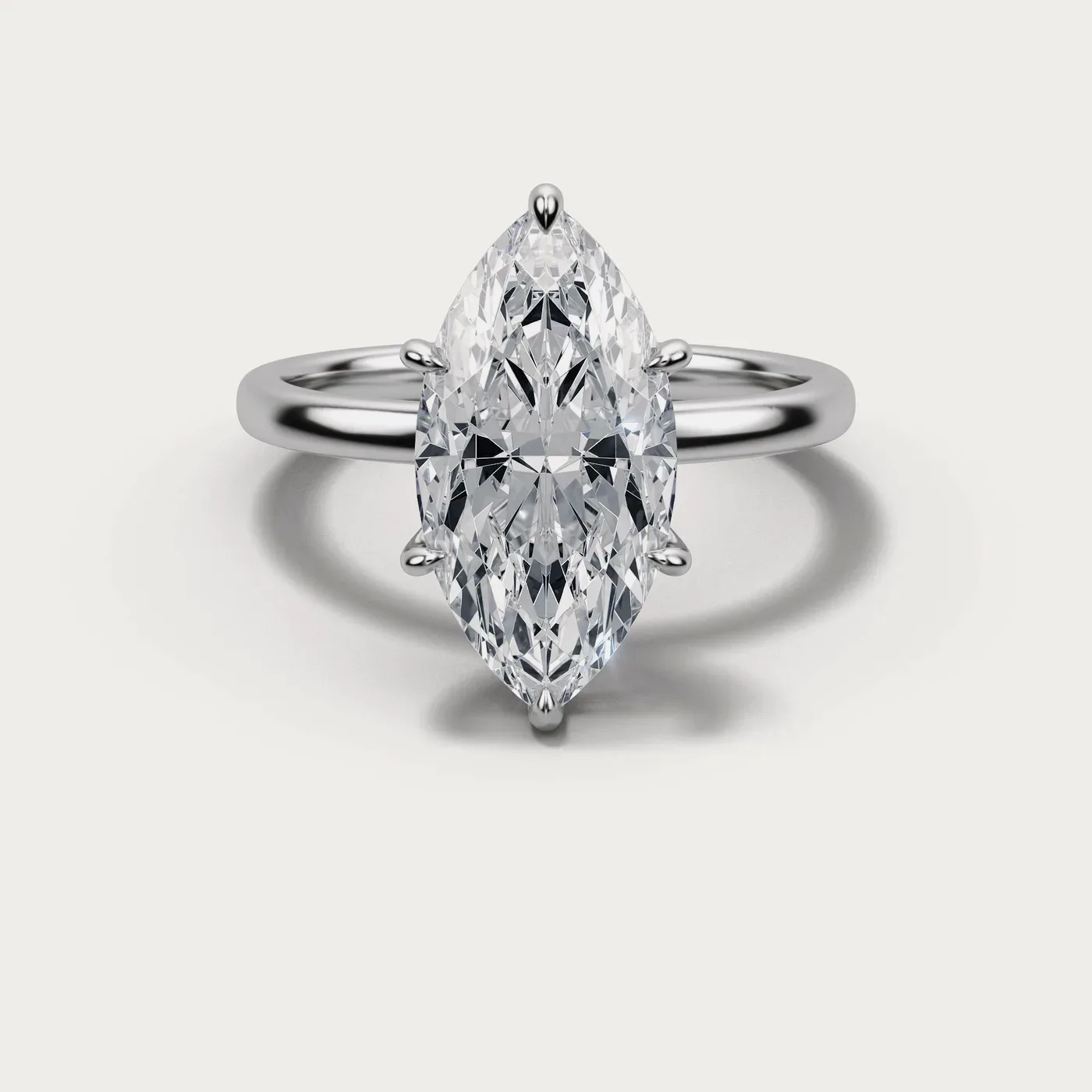
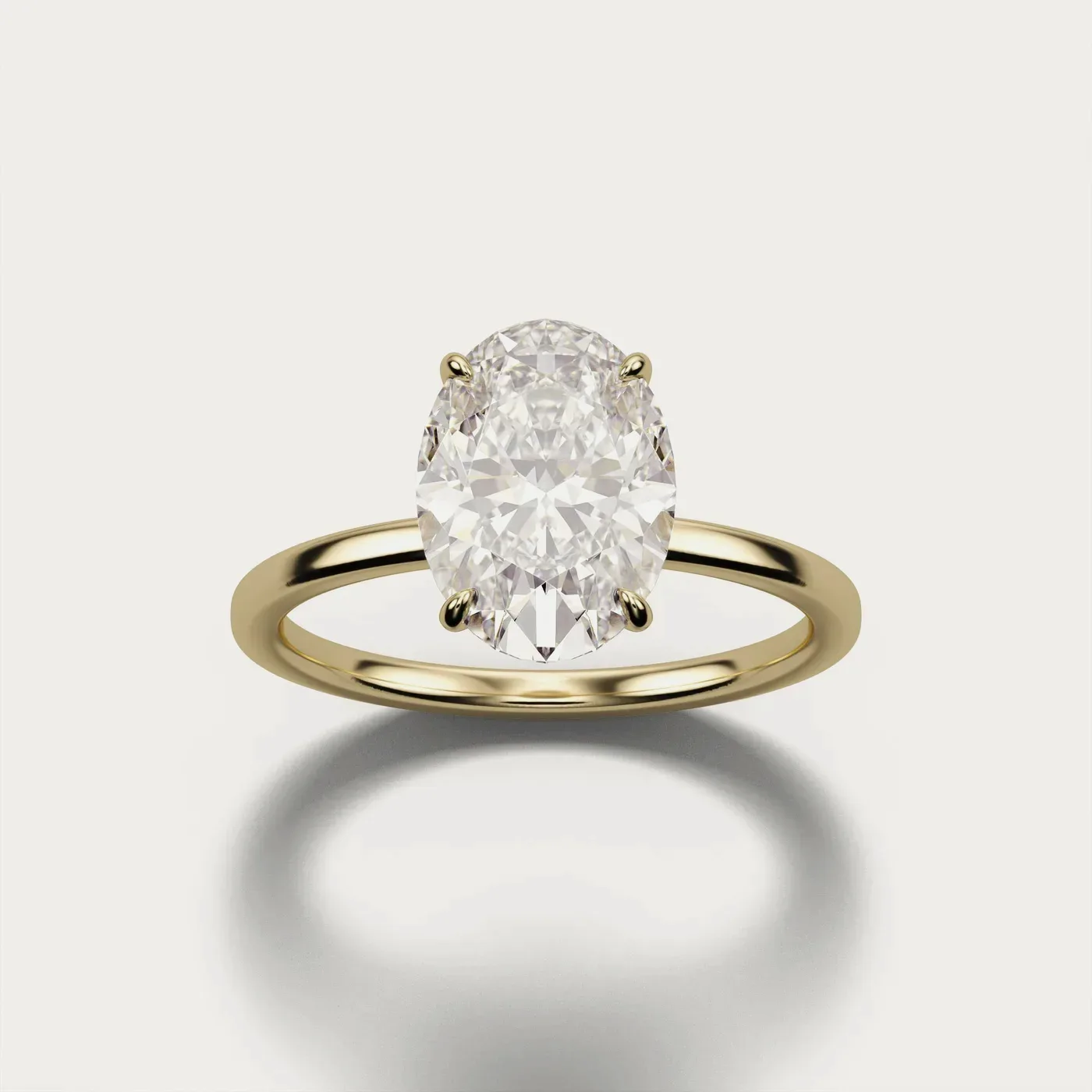
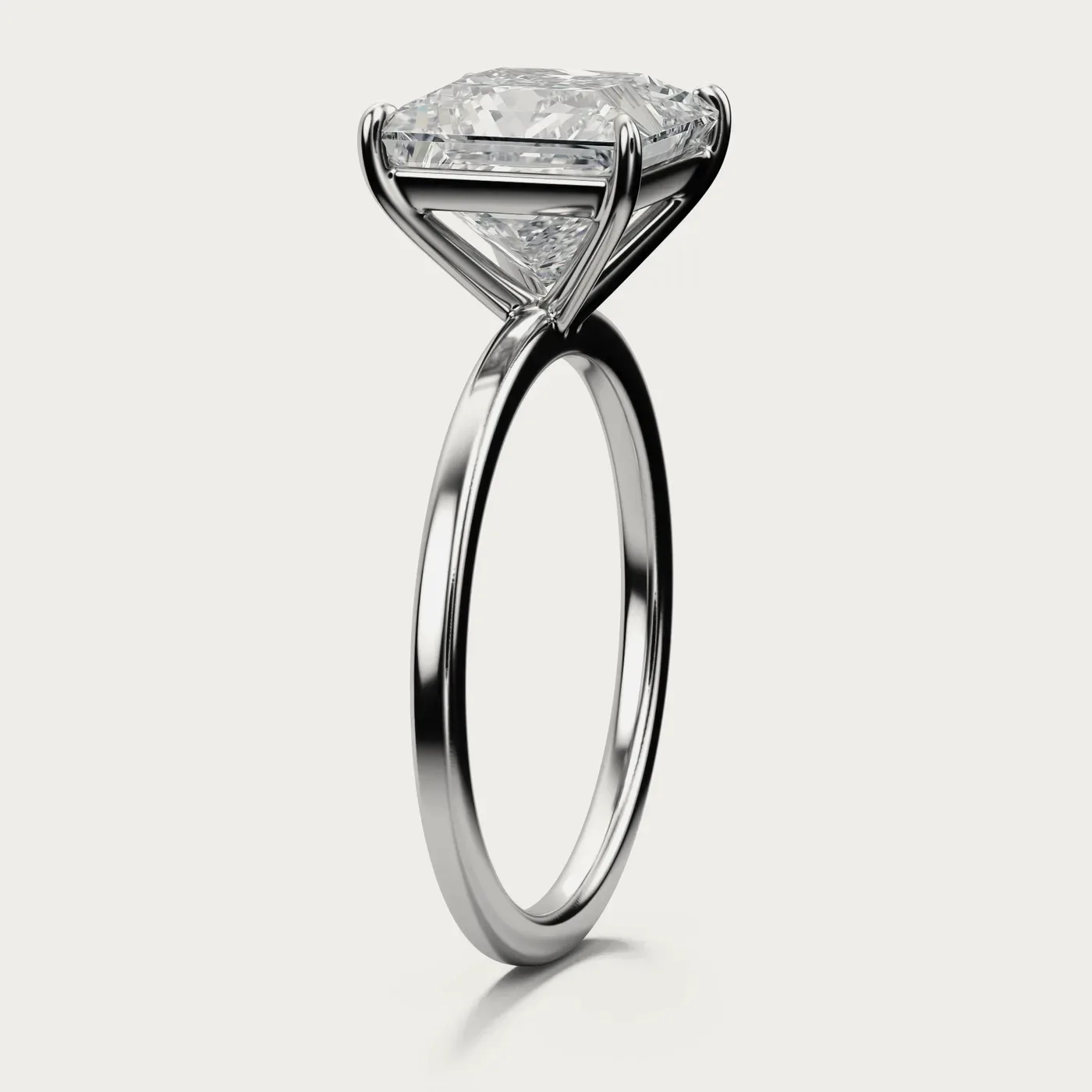
There’s no shortage of tools that will generate a beautiful image of a ring. Far fewer can hand a workshop something it can actually cast. That gap — between a render and a manufacturable spec — is where most “AI jewelry” stops being useful, and it is a wider gap than the demos suggest.
The demos are genuinely impressive. Type a sentence, get a photograph of a ring that does not exist. The trouble starts one step later, when somebody asks what it is made of, how heavy it is, what holds the stone, and whether the shoulders will survive being worn. The image has no answer to any of that, because those facts were never in it.
A pretty picture isn’t a model
Generative image models optimize for plausibility, not physics. They produce an arrangement of pixels that looks like the kind of thing a camera might have captured. What they do not produce — because it is not what they are for — is geometry: closed surfaces with measurable thickness, a stone of a known size sitting in a seat cut to its girdle, a gallery with a real clearance under it.
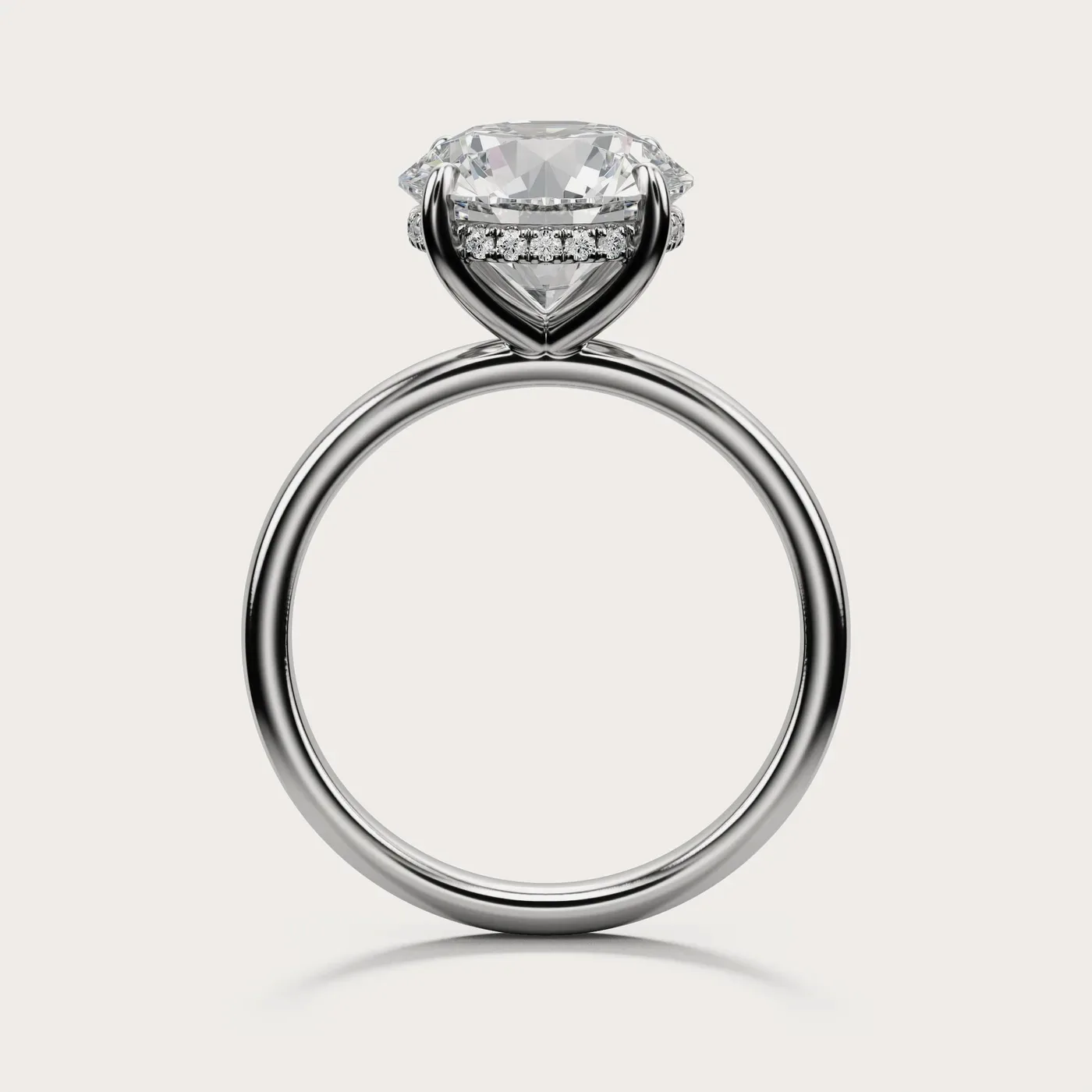
You can see this by trying to count. Ask an image model for a six-prong solitaire and count the prongs; ask for a pavé shank and count the stones on each side. The numbers wander, because the model is not tracking objects, it is tracking what the picture should look like. A prong in a generated image is a bright shape in roughly the right place, not a piece of metal with a job.
That is fine for a mood board and fatal for a workshop. Every question a bench asks is a question about quantity: how thick, how deep, how many, how far apart. An image has none of those, and no amount of upscaling adds them.
The gap has a shape
It is tempting to think the missing piece is a better model — one that outputs a mesh instead of pixels. Those exist, and they are useful for concept work, but they land in a different trap. A mesh that looks correct is still not a manufacturable one: it can be open rather than closed, in which case it has no volume and cannot even be weighed. It can be scaled wrongly, since a mesh file carries no units at all. It can have walls that will not fill with metal, or a sealed hollow with no way for the investment to drain.
None of those failures are visible on screen. They are found by measuring the thing, which is what a modeler does and what a generator has no reason to do. The output looks finished either way, and that is precisely the problem: the confidence is identical whether or not the piece can be made.
Intent in, spec out
The valuable role for AI here is narrower and far more useful: take a plain-language brief and turn it into a precise, structured specification — metal, fineness, stone shape and weight, setting, sizes — asking for what is missing rather than guessing at it. That spec is something a master CAD artist can model and a house can make.
This is a job language models are genuinely good at, and it is a job that eats an astonishing amount of a jeweler’s week. A client says “something like this but daintier, in rose, for my sister’s hands”. Turning that into a brief a modeler can start from is twenty minutes of translation, and it happens on every order. Doing it in one pass, with the ambiguities surfaced as questions rather than silently resolved, is worth more than another way to make pictures.
It also reads what people actually send. A photograph of a competitor’s piece, a phone snap of a sketch with measurements written in the margin, a zip of CAD files from a previous supplier — all of that is intent expressed in the form somebody had to hand, and extracting a structured brief from it is exactly the kind of messy, ambiguous reading a model does well and a form does badly.
The clarifying question is the feature
The most important behavior is the one that looks like a limitation: asking rather than deciding. A brief that says “about a carat” has left a real decision open, and a system that quietly picks 1.00 has made a commercial choice on somebody’s behalf — one that shows up as a surprise on an invoice or, worse, as a piece nobody wanted.
A generator cannot ask. It has to produce something, so it fills every gap with the most probable answer and presents the result with the same confidence it would give a fully specified brief. An assistant whose output is a spec can leave a field empty and say why it is empty, which is the difference between a tool that drafts for you and one that decides for you.
Where the craft stays
That is the line we draw. The assistant removes the busywork of writing a perfect brief; the craft — the model, the cast, the setting — stays human, and stays with people who answer for it when a casting fails. A spec is a starting point for a modeler, not a replacement for one, and the decisions that make a piece manufacturable are still made by somebody who has watched pieces fail.
The result is faster ordering without a single shortcut on what ends up on a hand. That is a less exciting claim than “AI designs your jewelry”, and it has the advantage of being true.
Written by AurumFlow
The managed platform for jewelry production.