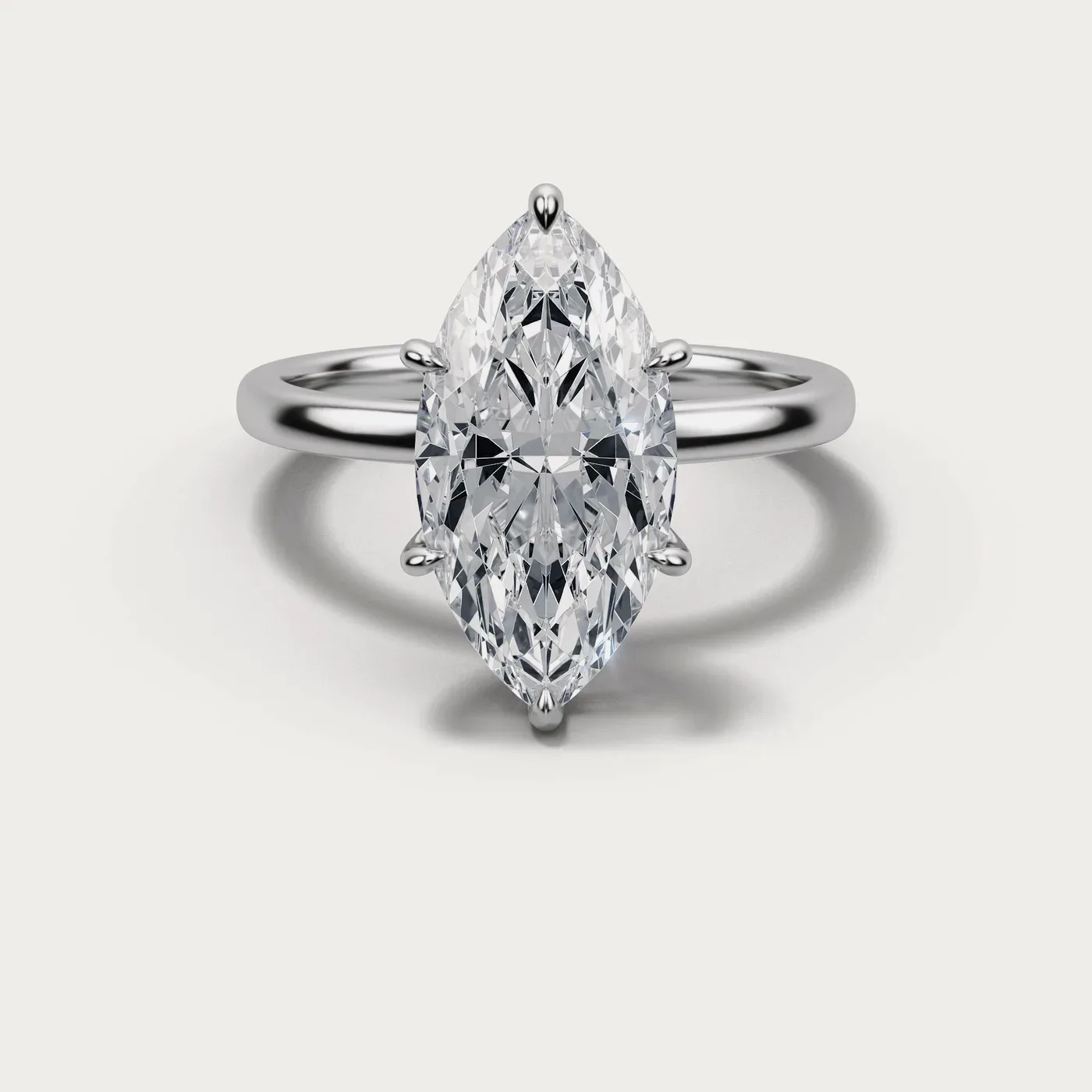
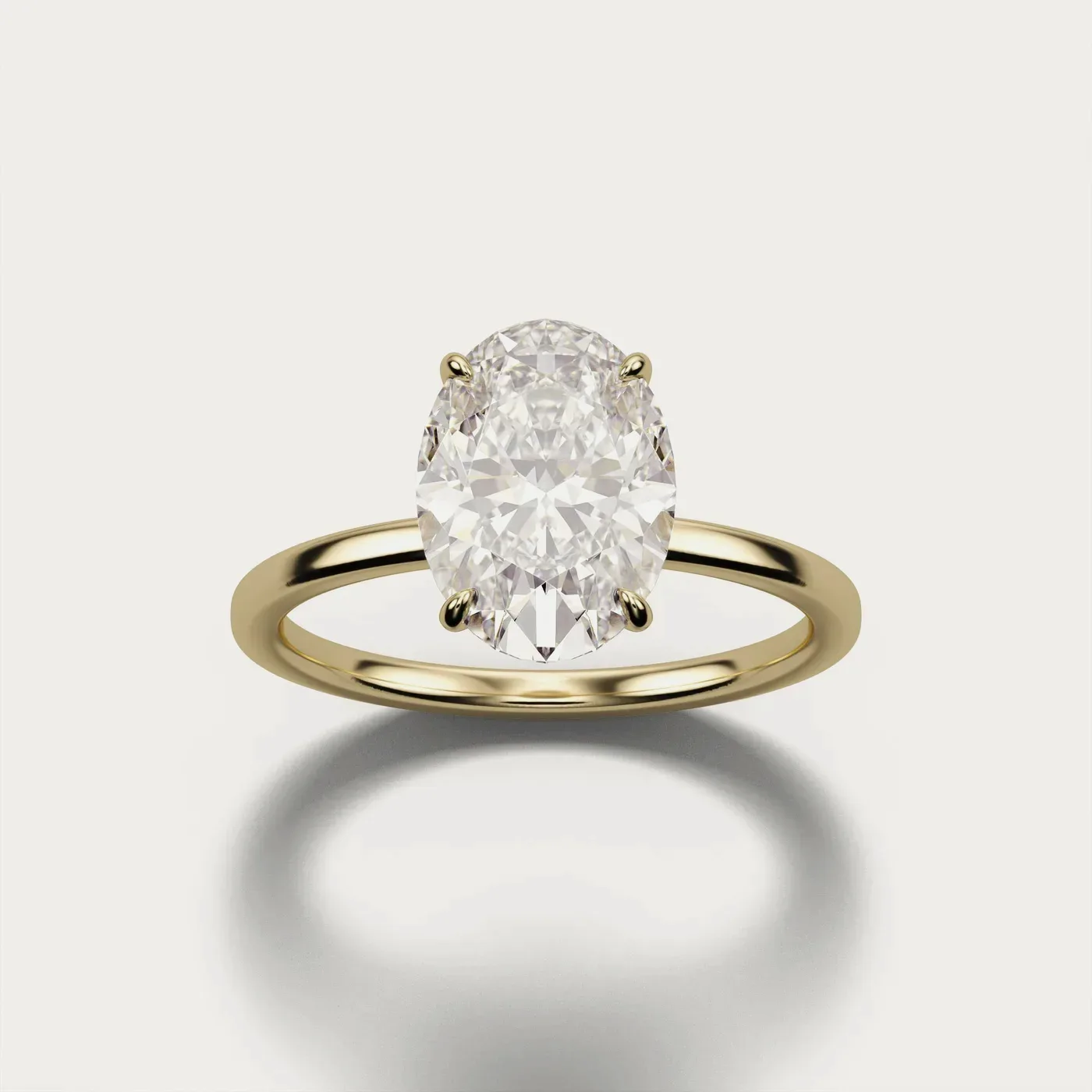
Priced from the model, not by eye
A finished CAD model already knows what the piece weighs. Quoting from that number instead of from experience changes what a jeweler can promise.
AurumFlow
September 10, 2026 · 4 min read
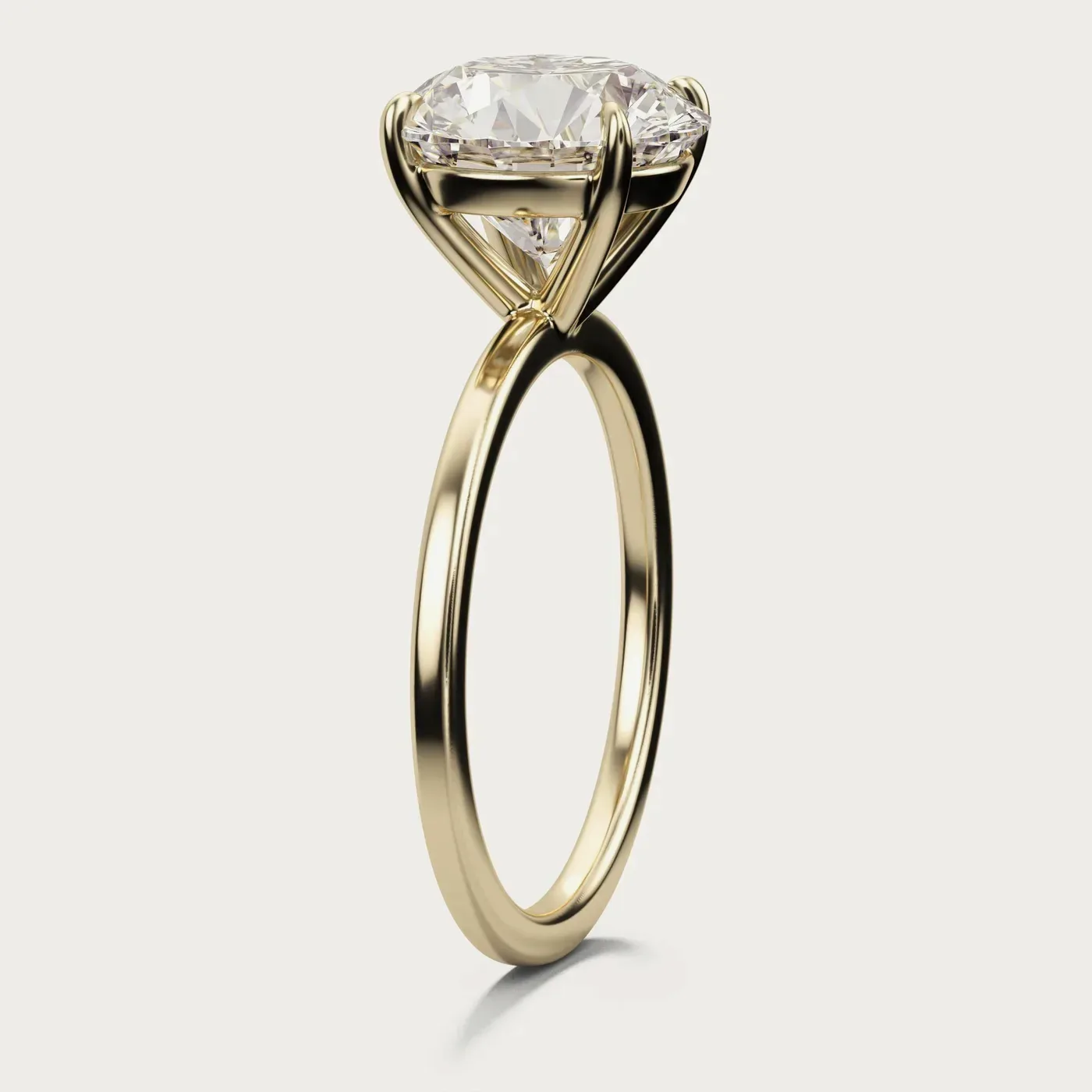
Ask three benches what a ring will cost to make and you will get three numbers, all of them arrived at the same way: somebody who has made a thousand rings looks at this one, decides it is about four grams, and adds their rates. They are usually close. "Usually" and "close" are doing a great deal of work in that sentence, and both of them are being paid for by whoever is standing between the bench and the client.
There is a better number available, and it has been sitting in the file the whole time.
A closed model already knows what it weighs
A finished CAD model is a closed surface. Closed means it separates an inside from an outside with no gaps, which means it encloses a measurable volume — not an estimate of one, a number, in cubic millimeters, computed from the geometry itself. Multiply that by the density of the alloy and you have the weight of the piece before a single gram of metal has been ordered.
The density is the part people underestimate. A cubic centimeter of 14K yellow is around thirteen grams; of 18K, closer to fifteen and a half; of platinum, twenty. The same ring in platinum is not a slightly more expensive version of the gold one — it is half again as much metal by weight, and the difference is arithmetic rather than a judgment call. This is exactly the kind of thing a bench knows in its hands and cannot easily explain to a client, and exactly the kind of thing a number explains in one line.
Why the estimate drifts
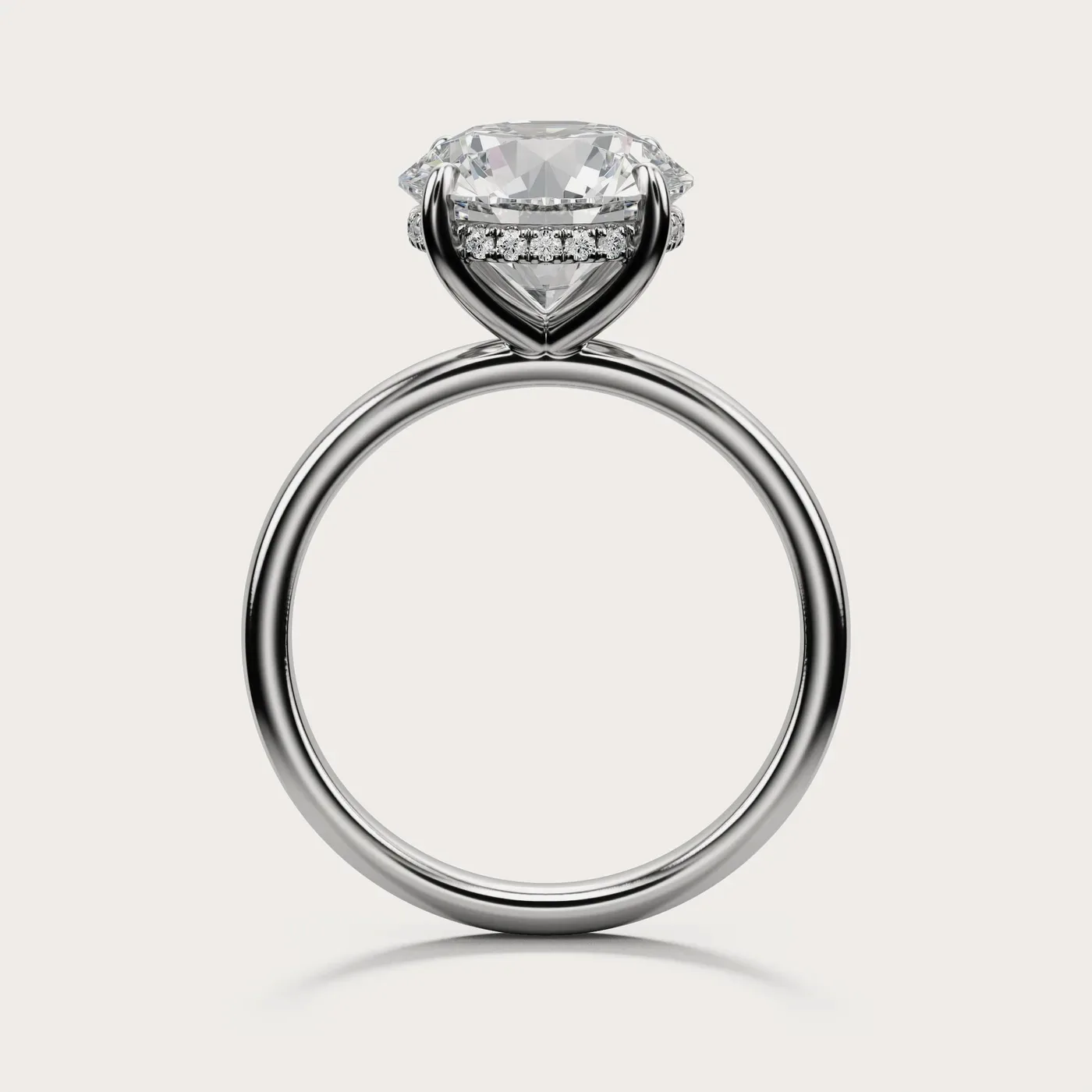
Estimating by eye fails in a specific direction, and it is not randomly. It fails on the pieces where the metal is not where you are looking. An open gallery under a halo removes more weight than it appears to. A knife-edge shank is a third lighter than a round one of the same width. Hollowing the underside of a signet is invisible from every angle a photograph is taken from and changes the number by a quarter.
So the drift is largest on exactly the pieces where the margin is thinnest — the detailed ones, the ones that took the longest to model, the ones where an error of half a gram of platinum is real money. The estimate is most reliable on the plain band nobody was worried about.
What it changes for the person selling
A price computed from the model is a price you can give a client while they are still in front of you, and stand behind afterwards. That is a different conversation from "let me check with the workshop and come back to you", which is where a surprising number of custom orders quietly die — not because the price was wrong, but because the answer arrived two days after the enthusiasm did.
It also changes what a quote means. If the number came from the geometry, then the client asking for a slightly wider band is not asking for a favor and is not a renegotiation: it is a different volume, and the new number falls out of it the same way the old one did. Nobody has to defend a figure they arrived at intuitively.
The metal price is the honest half of the problem
Weight is fixed once the model is. The other multiplier is not: gold moves every morning, and a quote given on Monday against Friday’s figure is a quote somebody is losing money on. The usual defenses are a padded margin, which overcharges everybody to cover the volatile days, or a quote that expires in seven days, which passes the problem to the client.
The alternative is to price against a figure with a timestamp on it and refuse to price at all when the figure is old. That sounds like a worse product and is a better one: a system that says "the spot price I have is from yesterday, I will not quote from it" is telling you something true, and the version that quietly quotes anyway is not more capable, it is just less honest about the same situation.
The same check does both jobs
There is a detail here that took us a while to appreciate. A model with a hole in its surface — two faces that do not meet, a shell left open at the bottom — has no volume at all. Not a wrong volume: none. Inside and outside are the same region, and the question "how much metal is in this" has no answer.
Which means the check that decides whether a model can be priced is the same check that decides whether it can be cast. A file that cannot be weighed is a file that would have failed at the caster, and it fails here instead, in front of somebody who can fix it, days earlier and for nothing. Castability and pricing turn out to be one question asked twice.
What it does not solve
Stones. A center stone can cost more than everything else in the piece combined, and no amount of geometry tells you what a particular 1.5 carat oval is worth — that depends on cut, color, clarity, origin and the day. Rolling it into a single headline figure would make the total look authoritative and be misleading, so it stays a separate line, chosen with the client and priced on its own.
Nor does it price the hours. Setting forty stones is forty seats cut by hand, and that is bench time rather than material — it belongs in the modeling and finishing rates, not in the weight. What the model gives you is the part that was always guesswork and never needed to be.
Written by AurumFlow
The managed platform for jewelry production.