How custom jewelry is made: the steps, and what to tell the client
The steps from a client’s idea to a finished piece, with what to tell the client at each one and when, so a custom order does not go quiet.
By the AurumFlow Production Desk
Published November 16, 2026 · 3 min read
Most custom orders are not lost at the bench. They are lost in the conversation: a client who is told “a few weeks” and then hears nothing assumes something has gone wrong, while a client who knows what happens next and when they will hear from you waits easily. This is the process with what to say at each step.
How does customizable jewelry differ from fully custom?
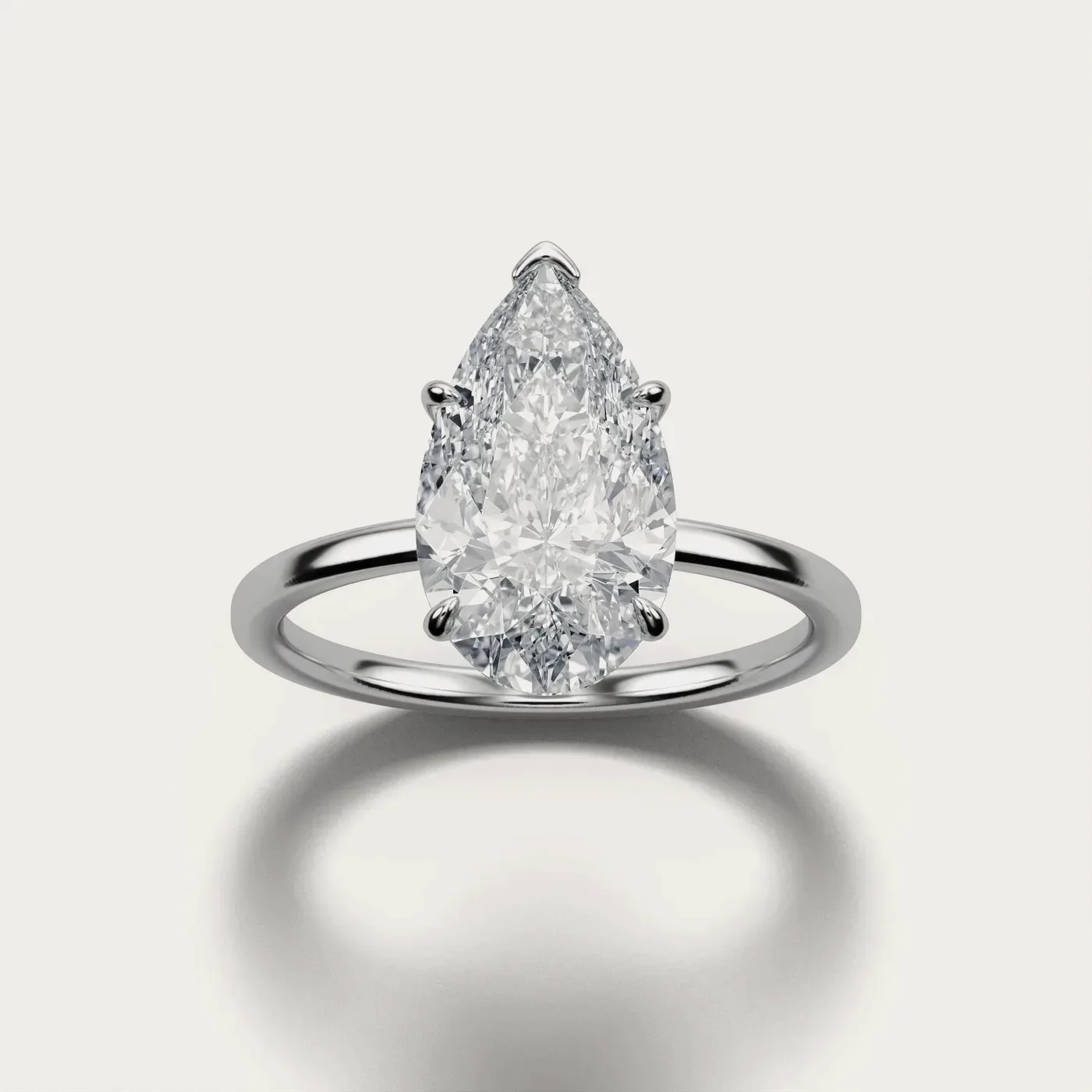
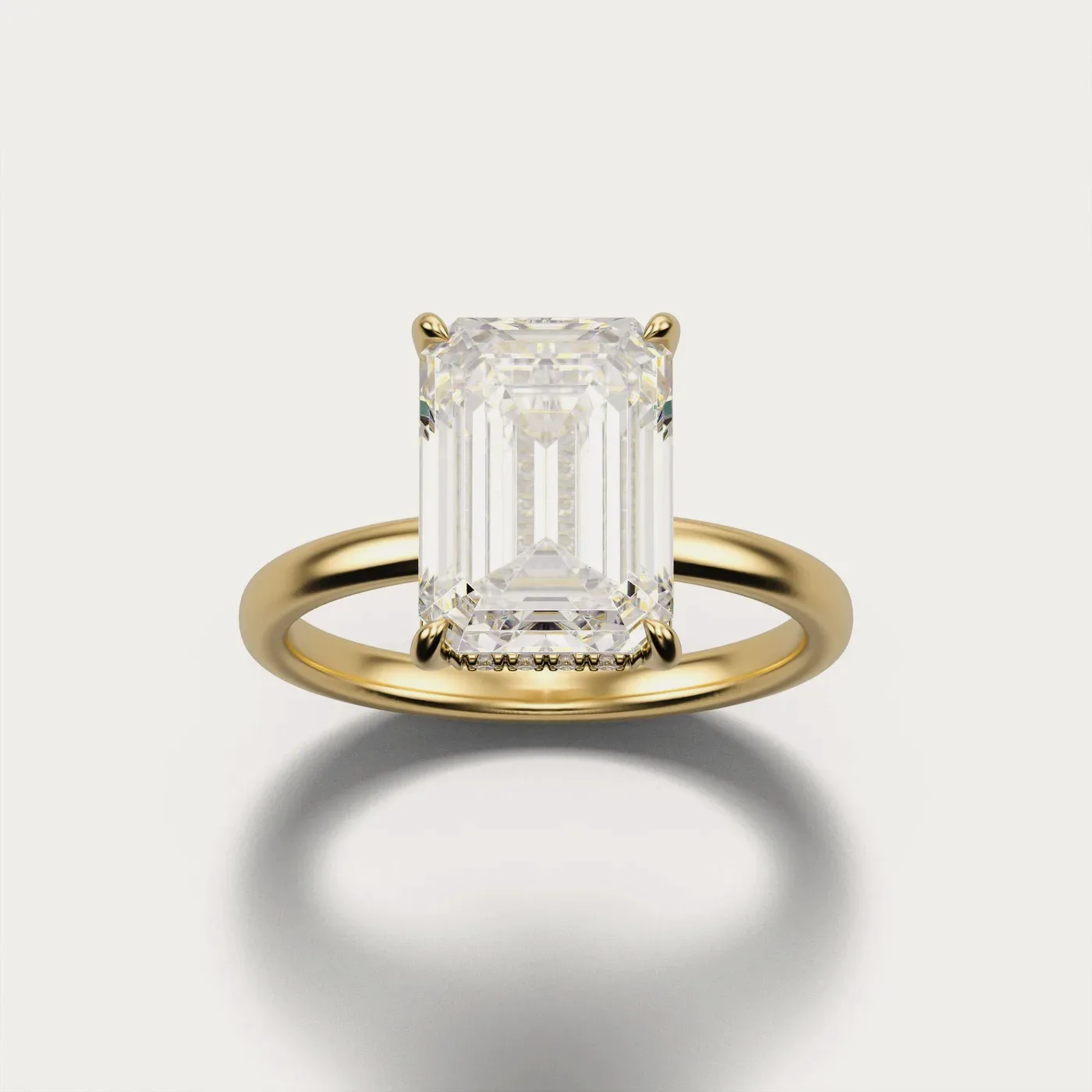
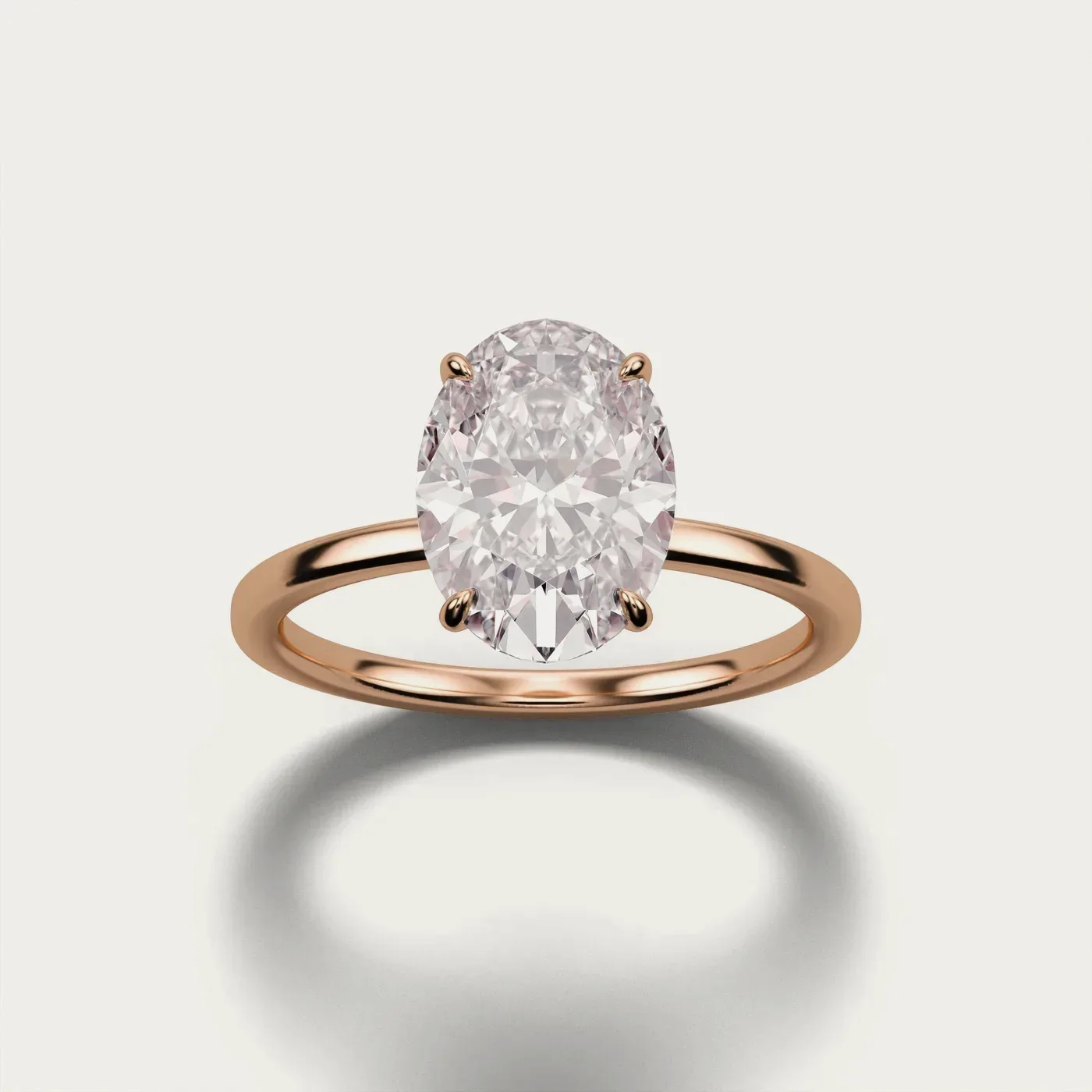
There are two ways in, and the client should know which one they are buying because the timeline differs. Customizable jewelry starts from a design that already exists: the client chooses the stone shape and the metal, and the piece is made as shown. Fully custom starts from the client’s idea, which has to be drawn before anything can be made.
A catalog design is already modeled and rendered, so it skips the design step. After that, both routes go through the same making and the same inspection.
What happens at each step, and what should you tell the client?
- Step
- The brief
- What happens
- You collect a photo or sketch, the ring size, the metal, the center stone and the date.
- What to tell the client
- Which two things you still need from them. A ring size and a stone decision hold an order up more than anything.
- Step
- The model
- What happens
- A designer draws the piece in CAD and checks it for casting.
- What to tell the client
- When to expect it: 1–2 business days for most pieces, up to 5 business days for a complex one.
- Step
- The review
- What happens
- The client sees the model and renders from every side. One round of changes is included.
- What to tell the client
- To send every change together. One round is included, and each further round is charged.
- Step
- The approval
- What happens
- You approve the piece’s price and pay.
- What to tell the client
- That this is the last easy moment to change anything. Cancellation is possible until you pay; after that the order is final.
- Step
- The making
- What happens
- The piece is cast, stones are set, and it is polished.
- What to tell the client
- That nothing is needed from them now, and that this takes 5 business days from approval.
- Step
- The inspection
- What happens
- The piece is checked against the approved specification, the stones are counted, and it is photographed.
- What to tell the client
- That you will send photographs before it ships. It is an update you can give without asking anyone.
- Step
- Hand-over
- What happens
- The piece ships tracked and insured, with a signature on delivery.
- What to tell the client
- The delivery date, counted with the carrier’s time added.
| Step | What happens | What to tell the client |
|---|---|---|
| The brief | You collect a photo or sketch, the ring size, the metal, the center stone and the date. | Which two things you still need from them. A ring size and a stone decision hold an order up more than anything. |
| The model | A designer draws the piece in CAD and checks it for casting. | When to expect it: 1–2 business days for most pieces, up to 5 business days for a complex one. |
| The review | The client sees the model and renders from every side. One round of changes is included. | To send every change together. One round is included, and each further round is charged. |
| The approval | You approve the piece’s price and pay. | That this is the last easy moment to change anything. Cancellation is possible until you pay; after that the order is final. |
| The making | The piece is cast, stones are set, and it is polished. | That nothing is needed from them now, and that this takes 5 business days from approval. |
| The inspection | The piece is checked against the approved specification, the stones are counted, and it is photographed. | That you will send photographs before it ships. It is an update you can give without asking anyone. |
| Hand-over | The piece ships tracked and insured, with a signature on delivery. | The delivery date, counted with the carrier’s time added. |
What is different about a custom engagement ring?
The stone and the date. The model is built around the center stone, so a ring drawn for “about a carat” has to be redrawn when the stone turns out to be a different shape. Settle the stone before modeling, and count back from the day the ring is needed rather than forward from today. The essay on selling custom engagement rings covers the store’s side of this in detail.
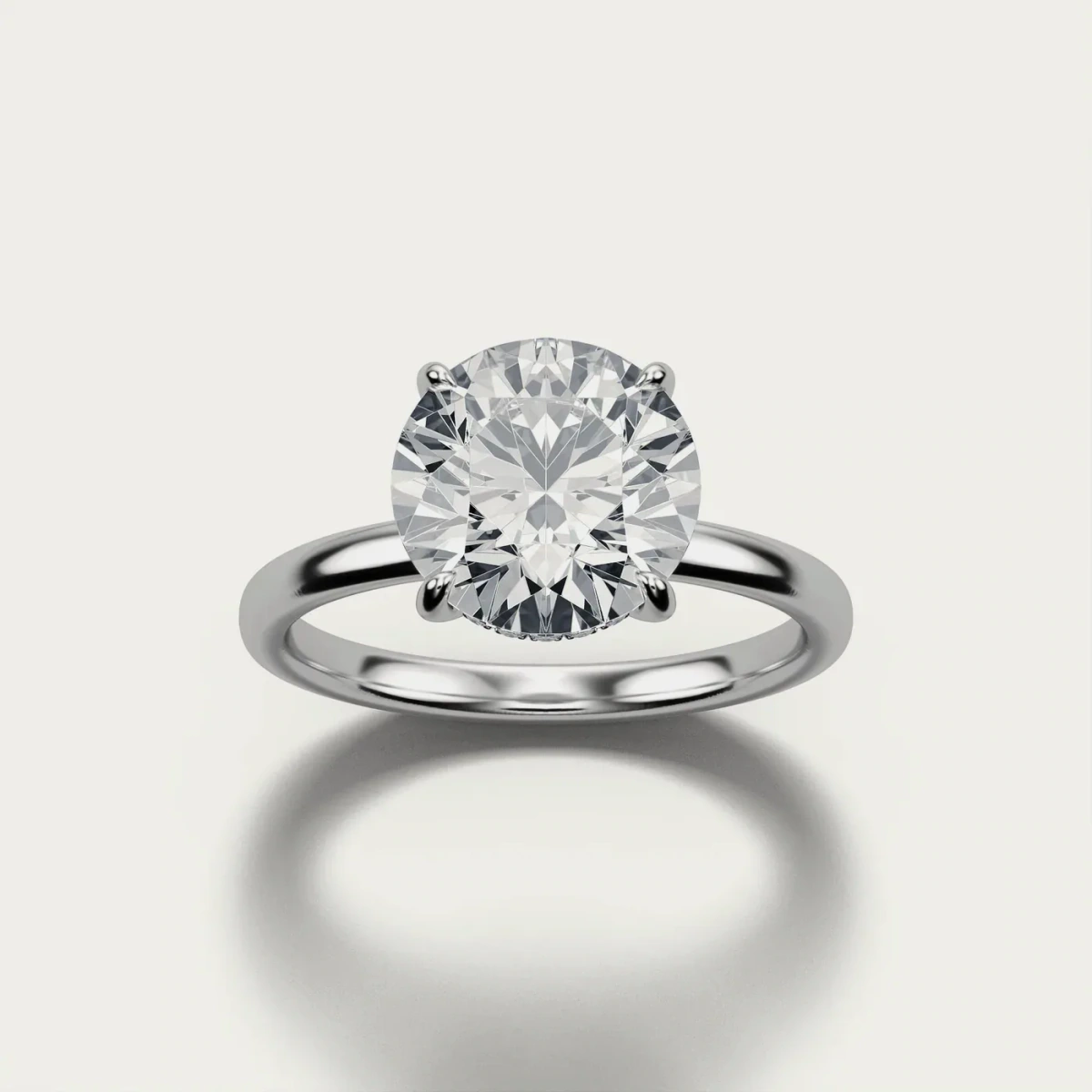
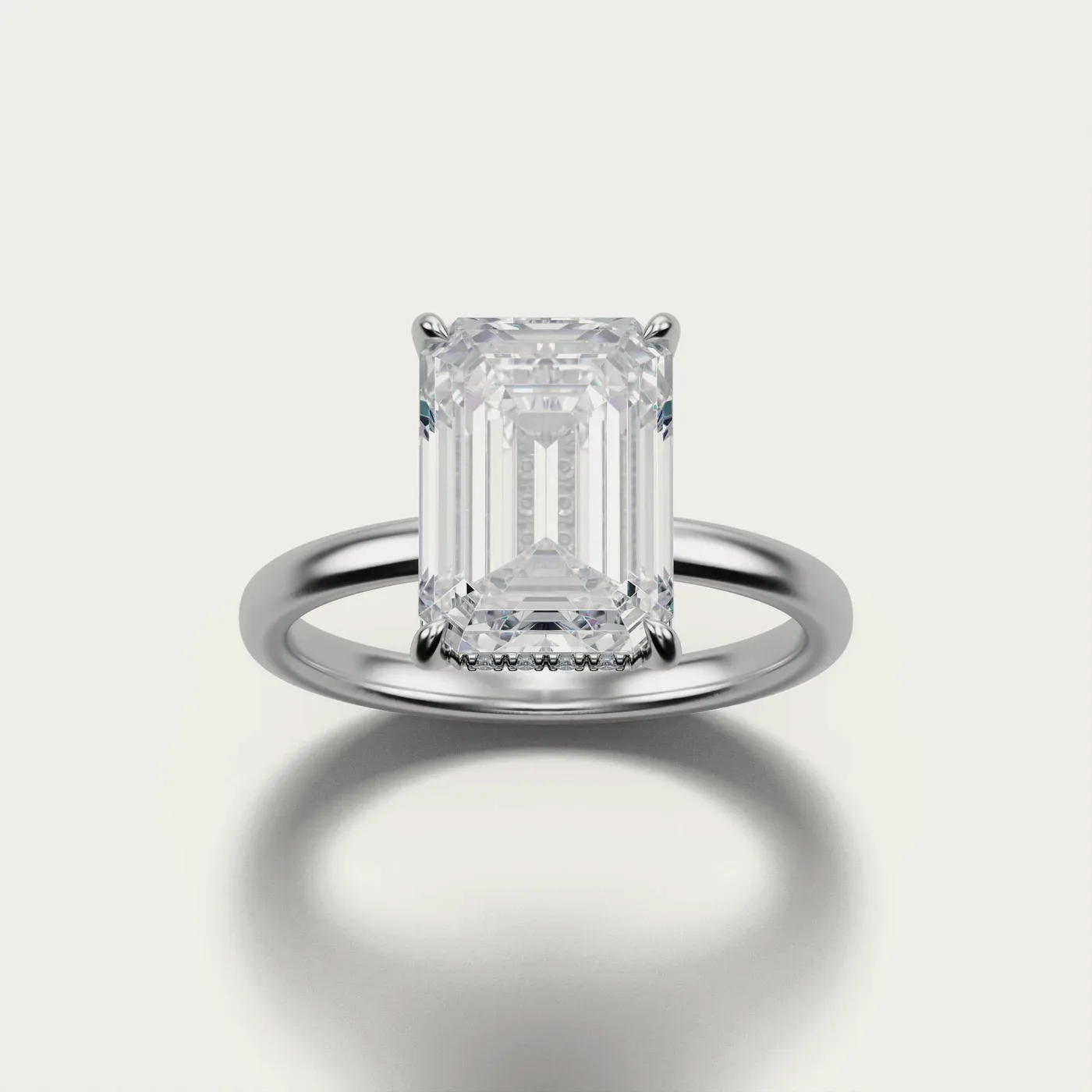
Hidden Halo — the halo you see from the side
A hidden halo is a good example of a ring clients ask for by description: it reads as a solitaire from above and shows its diamonds from the side. It is worth showing the render from the side as well.
What to tell the client about timing
Our time is 6 to 10 business days from the start of modeling; the client’s review and the carrier’s time come on top. Count the production clock from your approval, ask about rush when you order rather than after, and see how long custom jewelry takes for the full timeline and what slows an order down.
Questions jewelers ask
- How does custom jewelry work?
- A designer draws the piece in CAD from a photo, sketch or description. The client approves the model and the price, then the piece is cast, set, finished and inspected before it ships.
- What does a client need to decide before the model starts?
- The piece, the metal, the ring size and the center stone’s shape and rough size, and the date they need it. Everything else can be changed while it is still a model.
- Can anything be changed after the price is approved?
- Changes belong in the model stage, where one round is included. Once the piece is paid for, the order is final, so the model is the place to be sure.
Written by the AurumFlow Production Desk
The jeweler’s design studio: CAD, casting and setting, one price.