Who owns your designs, and who can see them
The files are yours to take anywhere. Here is who inside the studio can open your work, what the public gallery may never reveal, and how to take it all with you.
Updated August 7, 2026 · 3 min read
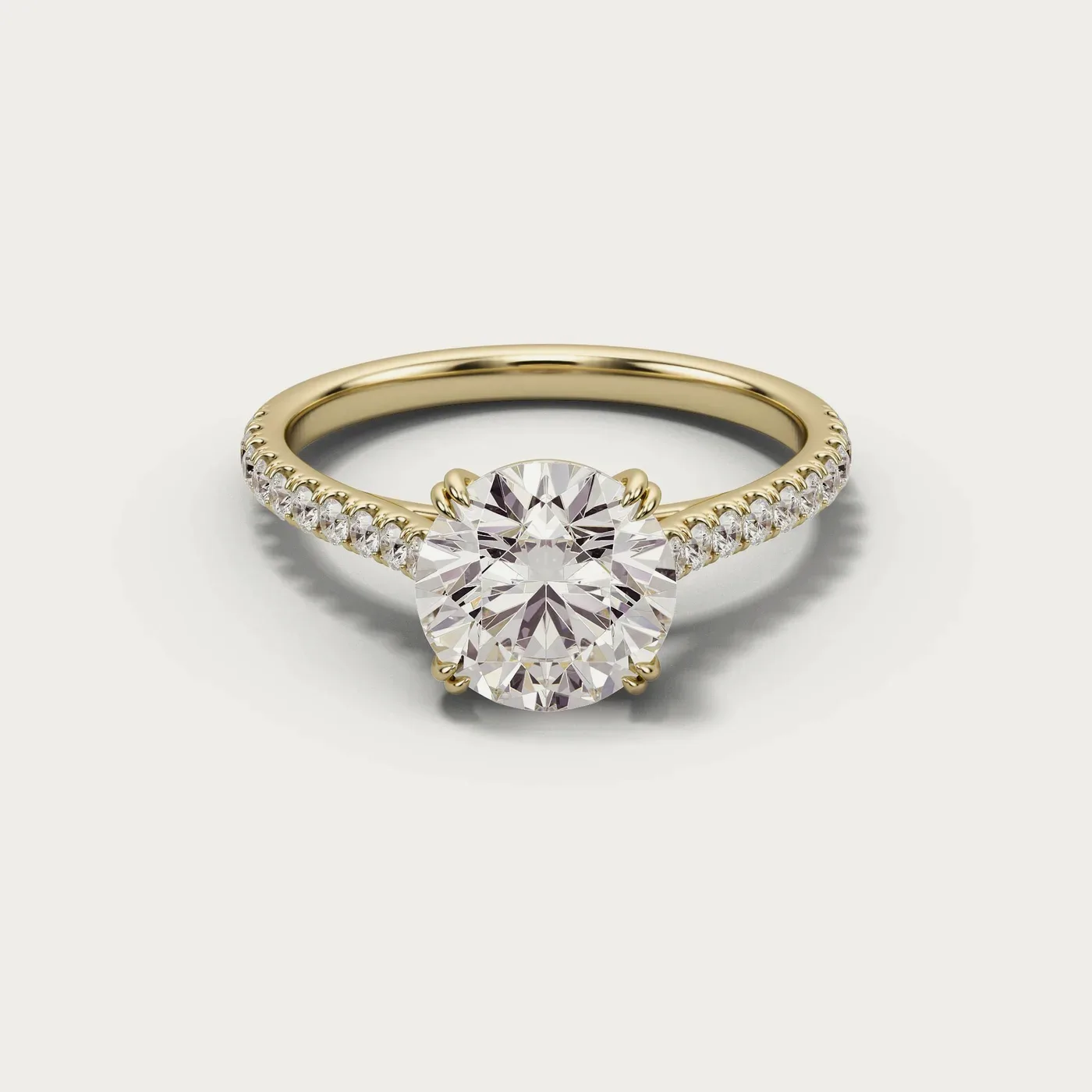
Handing a design to a production partner means handing over the thing your business is made of. The reasonable questions are: do I still own it, who over there can look at it, and can I leave with everything if this does not work out. Those have answers rather than assurances, and they are below.
The files are yours
A model you commissioned is yours, in every format it was delivered in, to take to any caster or any other studio. There is no license to renew and nothing to ask permission for. A studio that releases only a mesh — never the editable file — has made a decision about how easily you can leave, and it is worth finding out which kind you are dealing with before the first order rather than after the tenth.
Who can open your work
Access is scoped by what somebody needs to do their job, and it is enforced in the code on every request rather than by hiding buttons in an interface.
- Your team sees your organization’s work and nothing else. Every request carries the organization it belongs to, and one that reaches across is refused rather than filtered.
- The artist modeling your piece works from a queue: the spec, the references, the piece. They cannot open your design library at all, because that library carries orders, prices and shipping addresses, and a modeler has no business in any of it.
- Operators see what they must to move an order and to price it. Every action they take is written to an audit log with who did it and when.
Your work is not our marketing
A piece made for a client cannot appear in our public gallery unless that client has agreed to it. Not agreed in a signup checkbox: agreed on their own account page, for that piece. The rule lives in the code that publishes, not in the console an operator uses, because a rule that only exists in an interface is a rule a script goes around.
Withdrawing takes the piece down in the same action. Consent you can give but not take back is not consent, and nobody should have to send an email and wait for somebody else’s working hours to get their own work off a website.
The default, if you do agree, is that the piece is shown without naming you. Your own customers should not learn from our website who actually makes your jewelry. A credit line appears only if you type one, and the public interface has no way of returning which client a piece belongs to — that is enforced in code and there is a test that fails if it ever starts.
Leaving with everything
There is an export on your account page: your data, in one download, without asking anybody. There is also a deletion request, and it works — with the exception every business has, which is that invoices have to be kept for the period tax law requires. We would rather say that plainly than promise an erasure we are not allowed to perform.
The honest test of any of this is how easy it is to stop being a customer. Export the files, take them to another caster, and the pieces still get made. That is the arrangement.
Every file described here is delivered with the model, and yours to keep.